US-Iran War Escalates as Tehran Targets Gulf Bases
Iran's Islamic Revolutionary Guard Corps (IRGC) announced that it had carried out strikes against U.S. military positions in Bahrain and Kuwait in response to the American attacks.
July 9, 2026
T
he United States and Iran exchanged another round of military strikes on Thursday, sharply escalating tensions in the Gulf and raising fresh concerns over the stability of the Strait of Hormuz, a critical global energy corridor.
The latest escalation came after U.S. forces launched a second wave of attacks against Iranian military infrastructure overnight, with Washington saying the operation was intended to safeguard freedom of navigation through the Strait of Hormuz following Iranian attacks on commercial shipping.
Iran responded hours later by launching missile and drone strikes against U.S. military facilities in Bahrain and Kuwait, marking another direct exchange between the two countries despite previous diplomatic efforts to halt the conflict.
The U.S. Central Command (CENTCOM) said its latest operation struck approximately 90 military targets across Iran, including air defense systems, coastal surveillance installations, missile and drone storage sites, naval assets and military logistics infrastructure along Iran’s southern coastline.
The strikes followed an earlier round of attacks this week in which U.S. forces targeted more than 80 Iranian military sites.
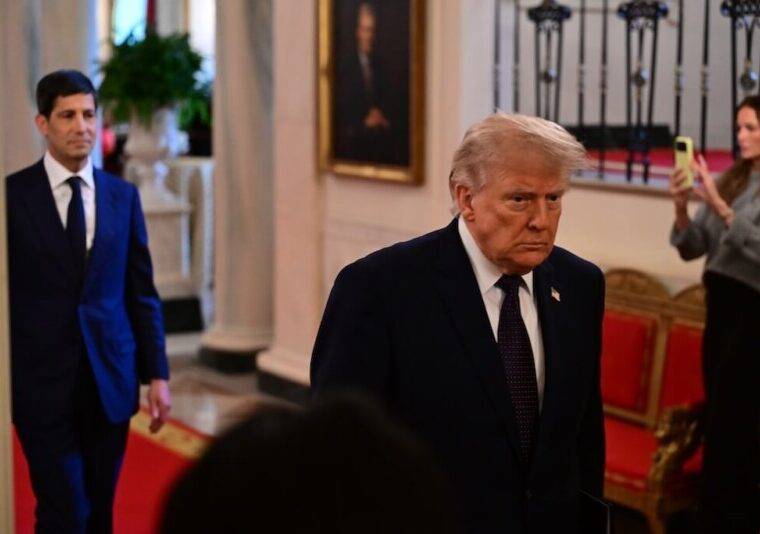
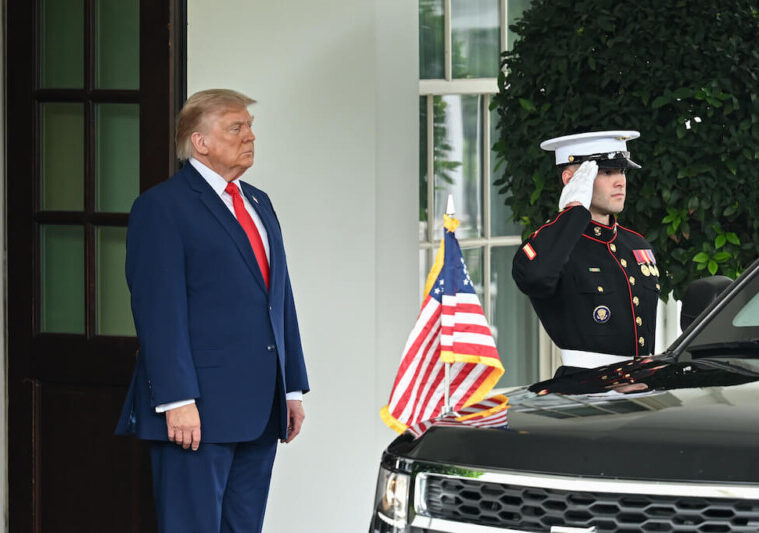
Speaking to reporters while returning from the NATO summit in Türkiye, U.S. President Donald Trump defended the operation, describing it as retaliation for Iran’s attacks on commercial vessels transiting the Strait of Hormuz.
“We just hit them very hard,” Trump said. “Every time they hit us, we’re going to hit them 20.”
Earlier, Trump declared that the interim agreement intended to halt fighting between Washington and Tehran was effectively “over.”
Iran’s Islamic Revolutionary Guard Corps (IRGC) announced that it had carried out strikes against U.S. military positions in Bahrain and Kuwait in response to the American attacks.
The Guards warned that further retaliation would follow if the United States launched additional strikes against Iranian territory.
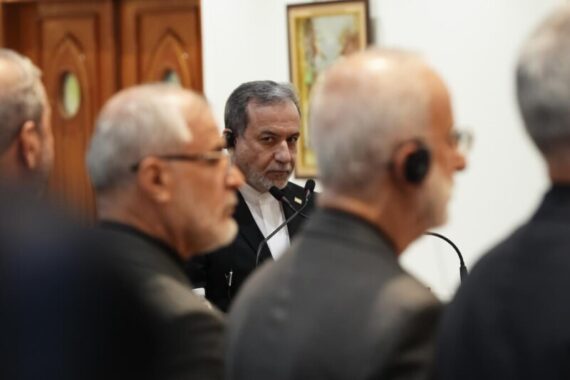
Iranian Parliament Speaker Mohammad Baqer Qalibaf said the Strait of Hormuz would operate only under what he described as “Iranian arrangements,” adding that U.S. “bullying and breaking its commitments no longer come without a cost.”
Iranian state media reported that three people were killed and several others injured in U.S. strikes near Ahvaz in southwestern Iran.
Multiple locations along Iran’s southern coast were reportedly hit, including Bandar Abbas, home to Iran’s largest commercial port and major naval facilities belonging to both the Iranian Navy and the Revolutionary Guards.
Additional strikes were reported in Konarak, Chabahar and Iranshahr, where a firefighter was killed during an attack on the city’s airport. Iranian media also reported damage to a railway bridge near Aqqala in northern Iran.
Recommended
Global oil prices rose as markets reacted to renewed fighting and concerns that continued hostilities could threaten shipping through the Strait of Hormuz, through which roughly one-fifth of global oil supplies normally pass.
Brent crude futures rose more than 1% to nearly $79 per barrel, while U.S. West Texas Intermediate crude also gained more than 1%.
The latest exchange follows a familiar pattern seen during previous rounds of fighting, with Iranian attacks on commercial shipping followed by U.S. military retaliation and subsequent Iranian strikes on American military facilities in the Gulf.
Despite the escalating military exchanges, analysts say both sides may still be seeking to strengthen their negotiating positions while avoiding a broader regional war, although the collapse of the interim agreement has significantly reduced prospects for an immediate diplomatic breakthrough.
(Source: Reuters)

Politics Today is dedicated to publishing insightful analyses in order to understand the changing nature of contemporary politics. It aims to contribute to the sound and constructive discussion of international affairs.
You can see how this popup was set up in our step-by-step guide: https://wppopupmaker.com/guides/auto-opening-announcement-popups/

Stay informed by subscribing to
our weekly newsletter.
You can see how this popup was set up in our step-by-step guide: https://wppopupmaker.com/guides/auto-opening-announcement-popups/
You can see how this popup was set up in our step-by-step guide: https://wppopupmaker.com/guides/auto-opening-announcement-popups/
You can see how this popup was set up in our step-by-step guide: https://wppopupmaker.com/guides/auto-opening-announcement-popups/
You can see how this popup was set up in our step-by-step guide: https://wppopupmaker.com/guides/auto-opening-announcement-popups/