Israel-US War Kills 300 Children in Iran, Lebanon
UNICEF Deputy Executive Director Ted Chaiban said that 206 children were killed in Iran and 118 in Lebanon following the outbreak of war on February 28.
March 24, 2026
A
t least 324 children have been killed in Iran and Lebanon since the start of the U.S.-Israeli war with Iran, according to new figures released by UNICEF, underscoring the growing humanitarian toll of a rapidly intensifying regional war.
Speaking at a press briefing in New York on Monday, UNICEF Deputy Executive Director Ted Chaiban said that 206 children were killed in Iran and 118 in Lebanon following the outbreak of war on February 28. Additional casualties include four children killed in Israel and one in Kuwait as a result of Iranian retaliatory strikes.
In total, more than 2,100 children across the region have been killed or injured since the war began, according to UNICEF.
“Behind these numbers are parents, grandparents, teachers, brothers, and sisters,” Chaiban said. “Communities, cities, and nations are in shock.”
Among the deadliest single incidents reported was a missile strike on a girls’ school in Iran that killed at least 168 people, including more than 100 children, according to rights groups. The attack has drawn international scrutiny amid conflicting accounts of responsibility.
While neither the United States nor Israel initially claimed responsibility, reporting by The New York Times indicated that a preliminary U.S. military investigation found the strike resulted from a targeting error.
The incident has intensified concerns over civilian protection and compliance with international humanitarian law as the war expands.
The war has also triggered mass displacement on a scale not seen in recent years. The UNHCR estimates that up to 3.2 million people in Iran have been forced to flee their homes, including approximately 864,000 children. Many have fled major urban centers such as Tehran toward northern and rural areas.
In Lebanon, more than 1 million people have been displaced, including roughly 370,000 children. Families are increasingly seeking shelter in schools, public buildings, and overcrowded temporary accommodations.
Humanitarian agencies warn that the scale of displacement is placing immense pressure on already fragile infrastructure and aid systems.
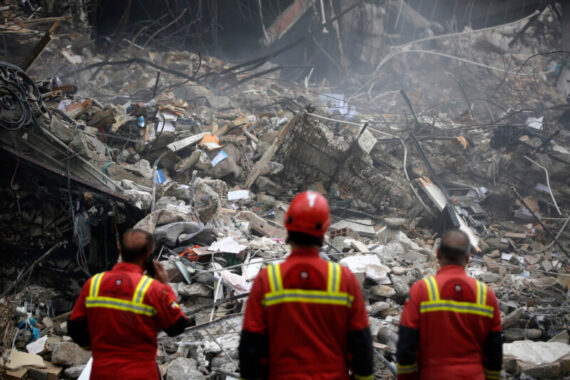
UNICEF officials report widespread destruction of essential civilian infrastructure, including homes, schools, and hospitals. Health systems that were already under strain are now nearing collapse, while disrupted supply chains have limited access to food, medicine, and clean water.
“Across the Middle East, around 44.8 million children were already living in conflict-affected settings before this escalation,” Chaiban noted. “The consequences of what is unfolding now will be long-lasting for them.”
Aid organizations have warned that without immediate de-escalation and increased humanitarian access, conditions for children could deteriorate further in the coming weeks.
Separately, Human Rights Watch has raised concerns about possible forced displacement in Lebanon. In an opinion piece published by Al Jazeera, researcher Nadia Hardman alleged that Israeli military operations are contributing to the strategic displacement of Shiite communities using tactics similar to those seen in Gaza and the West Bank.
“The international community can and should do better,” Hardman wrote, calling for urgent measures to prevent further civilian displacement and ensure the right of return for affected populations.
Recommended
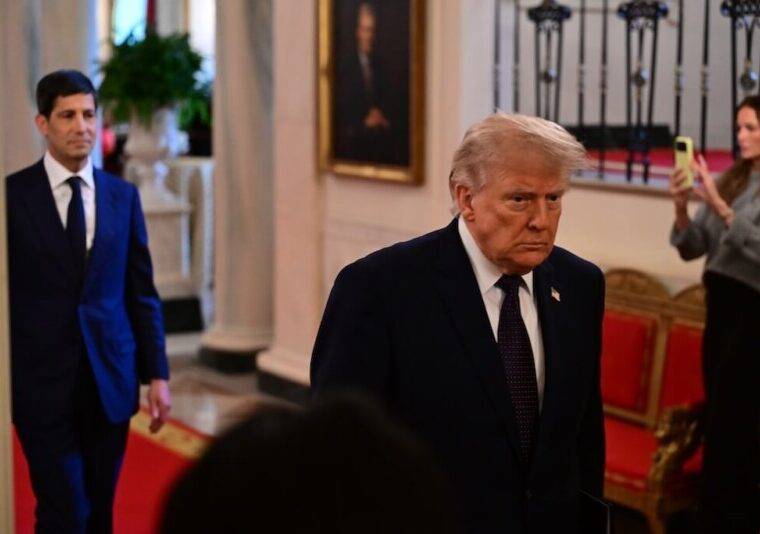
Amid mounting casualties, political signals regarding a potential de-escalation remain mixed. Donald Trump announced a temporary five-day halt to U.S. strikes on Iranian energy infrastructure, citing “productive conversations” aimed at ending the war.
However, Mohammad Bagher Ghalibaf denied that any negotiations with Washington were underway, dismissing reports of talks as misinformation intended to influence global markets.
The lack of clarity surrounding diplomatic efforts has added to uncertainty about whether a ceasefire or broader resolution may be achievable in the near term.
As the war enters its fourth week, humanitarian agencies warn that children are bearing a disproportionate share of the burden. Beyond immediate casualties, millions face long-term risks including displacement, interrupted education, and psychological trauma.
With infrastructure deteriorating and international responses still limited, aid groups continue to call for urgent action to protect civilians and prevent further escalation in a region already grappling with multiple overlapping crises.
(Source: UNICEF)

Politics Today is dedicated to publishing insightful analyses in order to understand the changing nature of contemporary politics. It aims to contribute to the sound and constructive discussion of international affairs.
You can see how this popup was set up in our step-by-step guide: https://wppopupmaker.com/guides/auto-opening-announcement-popups/

Stay informed by subscribing to
our weekly newsletter.
You can see how this popup was set up in our step-by-step guide: https://wppopupmaker.com/guides/auto-opening-announcement-popups/
You can see how this popup was set up in our step-by-step guide: https://wppopupmaker.com/guides/auto-opening-announcement-popups/
You can see how this popup was set up in our step-by-step guide: https://wppopupmaker.com/guides/auto-opening-announcement-popups/
You can see how this popup was set up in our step-by-step guide: https://wppopupmaker.com/guides/auto-opening-announcement-popups/