Trump: US to Escort Ships Through Strait of Hormuz
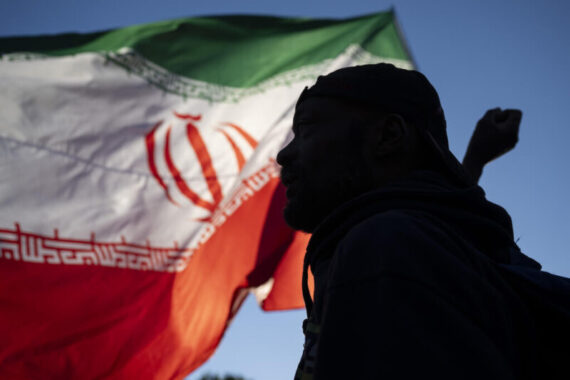
Iran has maintained that it retains full control over the Strait of Hormuz, insisting that any vessel movement must be coordinated with its authorities.
May 4, 2026
D
onald Trump has announced that the United States will begin guiding stranded vessels through the strategically vital Strait of Hormuz starting Monday, as tensions with Iran remain high despite ongoing diplomatic contacts.
In a social media post, Trump described the initiative, dubbed “Project Freedom”, as a humanitarian effort aimed at ensuring safe passage for ships trapped in restricted waters since the outbreak of war in February. He warned that any interference with the operation would be met “forcefully.”
According to United States Central Command, the mission will involve approximately 15,000 personnel, guided-missile destroyers, and over 100 aircraft. The operation comes as an estimated 20,000 sailors remain stranded in the Gulf, facing dwindling supplies and mounting physical and psychological strain.
Iranian officials, however, have pushed back against the move. Senior lawmaker Ebrahim Azizi warned that any US involvement in the waterway would constitute a violation of the current ceasefire.
Despite the tensions, Trump said discussions with Tehran were “very positive,” raising cautious hopes for a broader agreement. Iranian state media confirmed that a US response to Tehran’s latest peace proposal, reportedly delivered via Pakistan, is under review.
The Strait of Hormuz is one of the world’s most critical energy corridors, with roughly 20% of global oil and liquefied natural gas passing through it. The ongoing conflict has already driven up global energy prices and disrupted maritime traffic.
Late Sunday, the United Kingdom Maritime Trade Operations reported that a tanker in the strait had been struck by an “unknown projectile,” though all crew members were reported safe.
Iran’s latest 14-point proposal reportedly calls for a full cessation of hostilities, including the withdrawal of US forces near its borders and an end to the naval blockade. It also seeks a comprehensive agreement within 30 days.
While Trump acknowledged receiving the proposal, he expressed skepticism about its acceptability and left open the possibility of renewed military strikes if Iran “misbehaves.”
“We’re not leaving,” Trump said, signaling continued US involvement in the region even as diplomatic efforts proceed.
Recommended
Iran has maintained that it retains full control over the Strait of Hormuz, insisting that any vessel movement must be coordinated with its authorities. Officials warned that continued US naval activity and blockade measures could violate existing ceasefire understandings, signaling that Tehran may take “reciprocal measures” if it views Washington as breaching agreements.
At the same time, Iranian messaging has combined deterrence with diplomacy. While submitting a 14-point peace proposal that includes reopening the waterway and ending hostilities, Tehran has also reinforced its military posture in the region. Reports of recent incidents, including attacks on vessels near Iranian waters, underline its willingness to enforce restrictions, even as negotiations with the United States continue in parallel.
(Source: BBC)

Politics Today is dedicated to publishing insightful analyses in order to understand the changing nature of contemporary politics. It aims to contribute to the sound and constructive discussion of international affairs.
You can see how this popup was set up in our step-by-step guide: https://wppopupmaker.com/guides/auto-opening-announcement-popups/

Stay informed by subscribing to
our weekly newsletter.
You can see how this popup was set up in our step-by-step guide: https://wppopupmaker.com/guides/auto-opening-announcement-popups/
You can see how this popup was set up in our step-by-step guide: https://wppopupmaker.com/guides/auto-opening-announcement-popups/
You can see how this popup was set up in our step-by-step guide: https://wppopupmaker.com/guides/auto-opening-announcement-popups/
You can see how this popup was set up in our step-by-step guide: https://wppopupmaker.com/guides/auto-opening-announcement-popups/