I
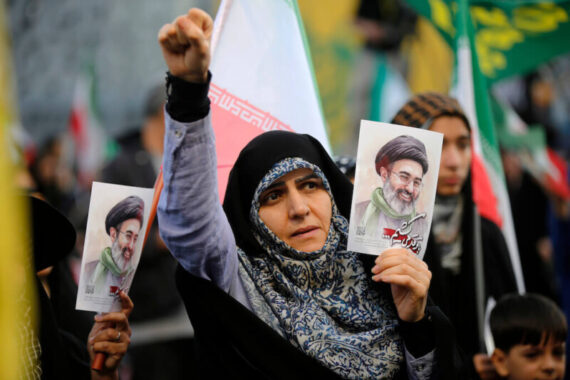
ran’s Supreme Leader Mojtaba Khamenei has ordered that the country’s stockpile of near-weapons-grade uranium must remain inside Iran, according to two senior Iranian sources, hardening Tehran’s position during sensitive peace talks with the United States.
The directive directly challenges one of Washington’s key demands in negotiations aimed at ending the U.S.-Israeli war on Iran. American officials, backed by Israel, have insisted that Iran’s highly enriched uranium be removed from the country as part of any long-term agreement.
The dispute over the uranium stockpile has emerged as one of the central obstacles in efforts to secure a broader peace arrangement following months of regional conflict and a fragile ceasefire now holding between the sides.
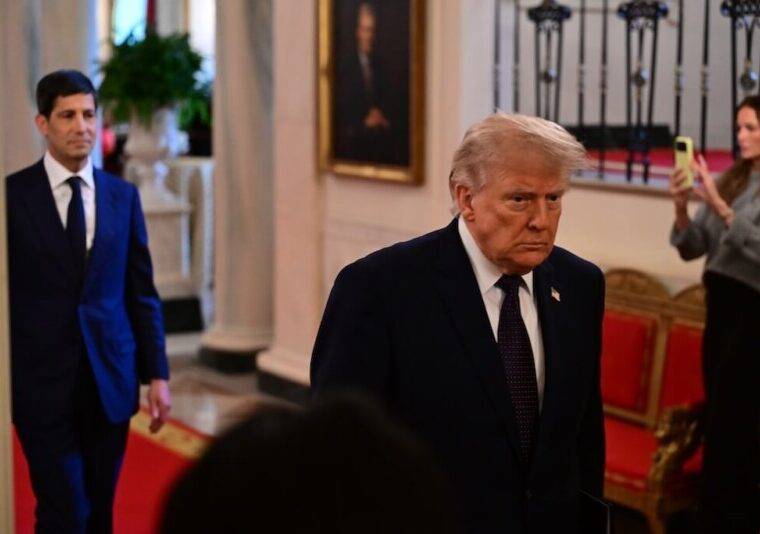
President Donald Trump said this week that the United States would not allow Iran to retain the material.
“We will get it. We don’t need it, we don’t want it. We’ll probably destroy it after we get it, but we’re not going to let them have it,” Trump told reporters at the White House.
Israeli officials have also told Reuters that Trump assured Israel the uranium stockpile would ultimately be transferred out of Iran and that any peace agreement must include such a provision.
Western governments have long accused Iran of pursuing nuclear weapons capability, particularly after Tehran enriched uranium to 60% purity — far above civilian requirements and closer to the 90% level generally associated with weapons-grade material. Iran has consistently denied seeking nuclear weapons.
Fragile ceasefire
According to the Iranian sources, the Supreme Leader’s order reflects deep concerns within Iran’s leadership that surrendering the uranium stockpile would weaken the country’s deterrence and leave it vulnerable to future attacks by the United States or Israel.
“The Supreme Leader’s directive, and the consensus within the establishment, is that the stockpile of enriched uranium should not leave the country,” one source said.
Iranian officials reportedly fear that the current pause in hostilities could merely be a tactical maneuver before renewed military action. A shaky ceasefire has been in place since fighting erupted after U.S.-Israeli strikes on Iranian targets on February 28, followed by Iranian attacks on Gulf states hosting American military bases and clashes involving Hezbollah in Lebanon.
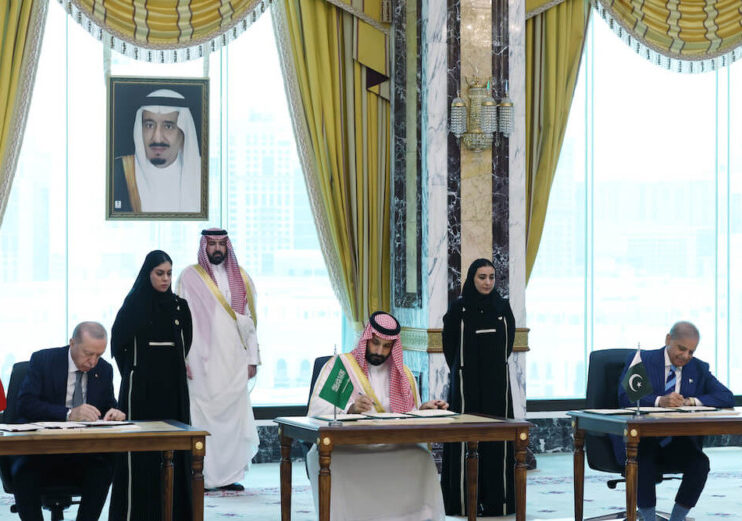
Negotiations have also been complicated by a U.S. blockade of Iranian ports and Tehran’s control over the Strait of Hormuz, a crucial route for global oil shipments. Pakistan has been mediating talks between the parties, though no major breakthrough has yet been announced.
Iran’s senior peace negotiator, Mohammad Baqer Qalibaf, said Wednesday that “obvious and hidden moves by the enemy” suggested Washington was preparing additional attacks.
Trump, meanwhile, warned that the United States remained prepared to strike Tehran again if Iran refused to accept a peace deal, although he indicated Washington might wait “a few days” before making further decisions.
Recommended
Compromise over uranium stockpile?
Despite the hardened rhetoric, Iranian officials suggested that possible compromises remain under discussion.
One Iranian source said Tehran may consider reducing the sensitivity of its uranium stockpile by diluting part of it under the supervision of the International Atomic Energy Agency rather than sending it abroad.
“There are solutions like diluting the stockpile under the supervision of the International Atomic Energy Agency,” the source said.
Before the war, Iran had reportedly signaled willingness to export roughly half of its uranium enriched to 60%, but that position shifted after repeated threats from Trump of possible military action.
Israeli Prime Minister Benjamin Netanyahu has maintained that the conflict cannot fully end unless Iran’s enriched uranium is removed, Tehran halts support for regional proxy groups, and its ballistic missile program is dismantled.
The IAEA estimated before the conflict that Iran possessed approximately 440 kilograms of uranium enriched to 60%. It remains unclear how much survived subsequent strikes on Iranian nuclear facilities. IAEA Director General Rafael Grossisaid earlier this year that much of the remaining stockpile was believed to be stored in underground facilities near Isfahan and Natanz.
Iran argues that part of its highly enriched uranium is intended for civilian purposes, including medical research and a Tehran-based reactor that operates using uranium enriched to around 20%.
As negotiations continue, the future of Iran’s uranium stockpile appears set to remain one of the most contentious issues standing between a lasting ceasefire and renewed conflict in the Middle East.
(Source: Reuters)