Israel and Iran Exchange Strikes Amid Fragile Ceasefire
Israeli authorities confirmed that missiles had been launched from Iran and said air defense systems were activated to intercept incoming threats.
June 8, 2026
I
srael and Iran exchanged direct military strikes on Monday for the first time since a ceasefire was declared in April, raising fresh concerns about a wider regional conflict and threatening diplomatic efforts led by the United States to end months of hostilities.
The renewed confrontation began after Israel launched strikes on military targets in western and central Iran, prompting Tehran to respond with missile attacks targeting Israeli military facilities. The exchanges mark the most serious escalation between the two regional rivals since the ceasefire halted direct hostilities earlier this year.
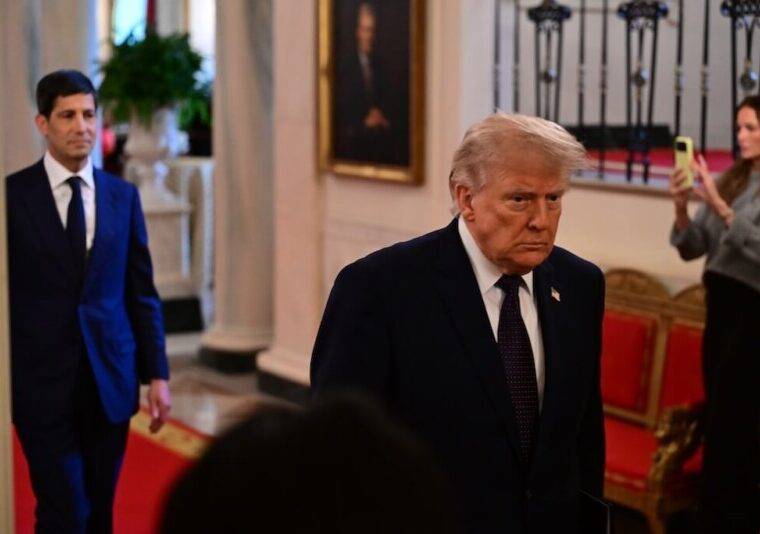
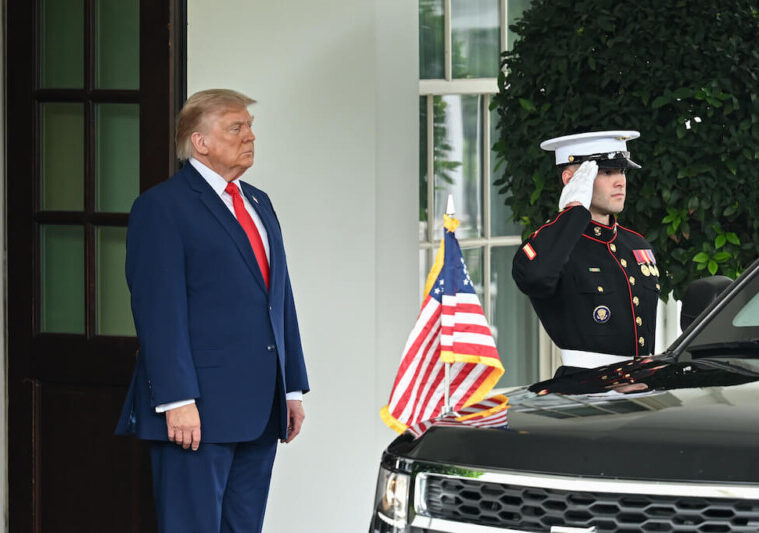
The latest violence comes despite efforts by U.S. President Donald Trump to preserve ongoing negotiations with Tehran and prevent a collapse of the fragile truce that has largely held since April.
Israeli military officials said air force jets struck military installations in Iran during overnight operations. Iranian authorities reported explosions in several cities, including Tehran, Tabriz, and Isfahan, while the Islamic Revolutionary Guard Corps (IRGC) accused Israel of carrying out attacks using air-launched ballistic missiles.
Hours later, the IRGC announced retaliatory strikes against Israel’s Nevatim and Tel Nof air bases. Iranian state media described the attacks as a warning and said Iran was prepared for broader military operations if Israeli attacks continued.
“The armed forces are ready for any scenario,” the IRGC said in a statement carried by Iranian media, warning that future responses could be more extensive.
Israeli authorities confirmed that missiles had been launched from Iran and said air defense systems were activated to intercept incoming threats. No immediate reports of casualties or significant damage were released.
The escalation took a significant turn when Israeli strikes reportedly hit facilities within Iran’s energy sector.
Iranian officials said the Karun petrochemical plant near the southwestern city of Bandar-e-Mahshahr sustained damage during the attacks. Shortly afterward, the Israeli military confirmed that it had targeted several sites within the Mahshahr petrochemical complex.
Iranian state media reported that authorities had begun evacuating the Mahshahr Special Petrochemical Economic Zone, a major industrial hub located near the Persian Gulf.
The strikes marked the first reported attack on Iranian energy infrastructure since the ceasefire was announced in April, raising fears that the conflict could increasingly target economically strategic facilities.
Energy analysts warned that attacks on petrochemical installations could have broader implications for global energy markets if hostilities continue to expand.
Financial markets reacted quickly to the renewed fighting.
Brent crude futures rose more than $3 per barrel, climbing above $96, while U.S. crude futures also posted gains of more than 3 percent. The increases erased losses recorded late last week when hopes for diplomatic progress between Washington and Tehran had boosted investor confidence.
Oil prices have remained highly sensitive to developments in the Middle East, particularly since the wider conflict involving Iran, Israel, and Iran-backed groups intensified earlier this year.
Traders fear that any prolonged disruption to energy infrastructure or shipping routes could threaten supplies from one of the world’s most important oil-producing regions.
The renewed violence unfolded despite reports that Trump personally urged Israeli Prime Minister Benjamin Netanyahu to avoid further military escalation.
According to U.S. officials cited by American media, Trump told Netanyahu during a phone conversation that additional attacks could jeopardize ongoing efforts to secure a broader agreement with Iran.
“We are close to doing something good in terms of a deal,” Trump reportedly told the Israeli leader.
Speaking to the Financial Times before the latest strikes, Trump downplayed concerns that renewed military action would derail negotiations.
“It is not going to have any impact on the deal,” Trump said. “I call the shots. I call all the shots. He doesn’t call the shots.”
The comments reflected growing tensions between Washington and the Israeli government over how to manage the conflict. Reports indicate that Trump has repeatedly pressed Israel to limit military operations in Lebanon and elsewhere to create space for diplomacy.
Last week, the U.S. president publicly expressed frustration with Netanyahu’s approach to the conflict, signaling rare daylight between Washington and its closest regional ally.
The latest exchange comes after Israel launched strikes near Beirut on Sunday, targeting positions linked to Hezbollah, the Iranian-backed Lebanese armed group.
Those attacks represented Israel’s first military action in the Beirut area since Washington proposed a truce plan for Lebanon last week.
Iran has repeatedly stated that any long-term peace arrangement with the United States would depend on a sustained ceasefire not only between Israel and Iran but also in Lebanon, where fighting involving Hezbollah has continued intermittently.
Before Sunday’s missile exchange, Iran had not directly attacked Israel since the ceasefire took effect in April, although Hezbollah and other groups aligned with Tehran have continued occasional attacks against Israeli targets.
The situation became even more complicated when Israel’s military reported a missile launch from Yemen toward Israeli territory. While details remained limited, the launch highlighted the involvement of multiple regional actors in the broader conflict.
Recommended
Diplomatic observers warn that the latest confrontation could undermine efforts to achieve a comprehensive agreement aimed at ending months of regional warfare.
While both Israel and Iran have framed their actions as responses to previous attacks, the direct exchange of strikes suggests that the ceasefire remains fragile and vulnerable to collapse.
The targeting of military facilities, energy infrastructure, and strategic installations has increased concerns that future attacks could become more damaging and difficult to contain.
For now, both governments appear determined to demonstrate military resolve while avoiding a full-scale war. However, with missiles flying across borders, energy markets reacting sharply, and diplomatic negotiations hanging in the balance, the latest escalation has underscored how quickly tensions in the Middle East can reignite despite international efforts to secure peace.
As Washington continues to push for a negotiated settlement, the coming days may prove critical in determining whether the region returns to a path of diplomacy or slides back toward a broader conflict involving multiple fronts and regional powers.
(Source: Reuters)

Politics Today is dedicated to publishing insightful analyses in order to understand the changing nature of contemporary politics. It aims to contribute to the sound and constructive discussion of international affairs.
You can see how this popup was set up in our step-by-step guide: https://wppopupmaker.com/guides/auto-opening-announcement-popups/

Stay informed by subscribing to
our weekly newsletter.
You can see how this popup was set up in our step-by-step guide: https://wppopupmaker.com/guides/auto-opening-announcement-popups/
You can see how this popup was set up in our step-by-step guide: https://wppopupmaker.com/guides/auto-opening-announcement-popups/
You can see how this popup was set up in our step-by-step guide: https://wppopupmaker.com/guides/auto-opening-announcement-popups/
You can see how this popup was set up in our step-by-step guide: https://wppopupmaker.com/guides/auto-opening-announcement-popups/