Norway and Finland Break Diplomatic Silence with Putin
Rare 90-minute conversation with the Russian president highlights growing European concerns over Washington's approach to ending the war, but Moscow shows little sign of softening its demands.
October 29, 2026
T
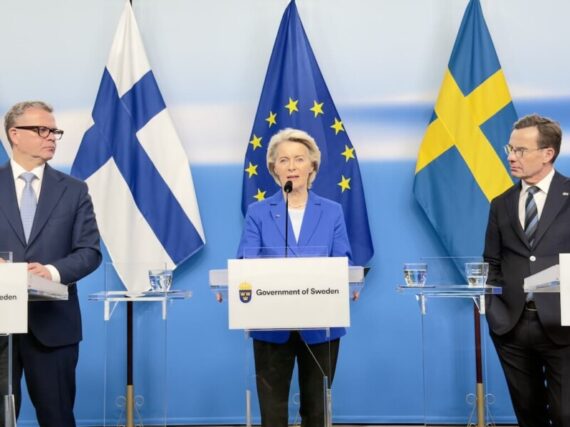
he leaders of Norway and Finland have held rare direct talks with Russian President Vladimir Putin in an effort to influence negotiations aimed at ending the war in Ukraine, marking a significant diplomatic departure from Europe’s longstanding policy of limiting high-level engagement with Moscow.
Finnish President Alexander Stubb and Norwegian Prime Minister Jonas Gahr Støre spoke with Putin for approximately 90 minutes Tuesday, ahead of another round of US-brokered peace negotiations scheduled to take place in Abu Dhabi next month.
The conversation comes amid growing European unease over US President Donald Trump’s increasingly conciliatory approach toward Russia and deteriorating relations between Washington and Kyiv.
Western European leaders have largely avoided direct communication with Putin since Russia’s full-scale invasion of Ukraine. However, concerns about being sidelined from negotiations have prompted renewed debate over whether Europe should establish its own diplomatic channels with Moscow.
Stubb described Tuesday’s conversation as frank and substantive, emphasizing that Finland and Norway, as Russia’s neighbors, have a direct security interest in the outcome of the conflict.
He said the initiative had been prepared in consultation with Ukraine and the United States and followed an October 20 meeting in Oslo involving US special envoy Steve Witkoff and Ukrainian President Volodymyr Zelenskyy.
The Nordic leaders subsequently contacted Zelenskyy to brief him on their discussion with Putin.
The diplomatic initiative comes as Trump’s administration faces criticism from European allies over recent decisions concerning Russia and Ukraine.
Washington’s relationship with Kyiv has deteriorated following Trump’s criticism of Ukrainian attacks on Russian energy facilities, which he blamed for contributing to rising diesel prices in the United States.
Trump subsequently reached an agreement with Putin to release Russian diesel supplies to American and international markets despite existing sanctions on Russian oil.
His administration also suspended newly approved sanctions against Moscow, prompting criticism from European governments and members of his own Republican Party.
Ukraine has separately accused the United States of restricting access to Starshield, a military-grade satellite communications system used by Ukrainian forces.
Against this backdrop, Stubb and Støre are seeking to ensure that European security interests remain part of any negotiated settlement.
The Finnish president emphasized that the call did not signal weakening support for Ukraine or constitute negotiations on behalf of Europe.
Støre similarly argued that maintaining pressure on Russia and engaging diplomatically were not mutually exclusive.
However, the Kremlin’s account suggested that Putin had offered little indication of flexibility.
Moscow reiterated that any lasting peace agreement must fully account for what it describes as Russia’s legitimate interests, while accusing NATO and European Union countries of prolonging the conflict through confrontational policies.
Kremlin spokesman Dmitry Peskov characterized the discussion as constructive but maintained that Putin’s position remained unchanged.
Russian Foreign Minister Sergey Lavrov was more dismissive, suggesting that the Nordic initiative offered no new proposals and reflected European governments’ desire to secure a place in negotiations.
Moscow also continued to question Zelenskyy’s legitimacy. Russian presidential aide Yury Ushakov said the Ukrainian leader should travel to Moscow if he wanted direct negotiations with Putin.
Recommended
The unexpected diplomatic outreach has received a mixed response across Europe, exposing disagreements over how governments should approach negotiations with Russia.
Swedish Prime Minister Ulf Kristersson expressed skepticism about the initiative, questioning whether Putin genuinely wanted peace and indicating that some European leaders had not been informed beforehand.
Danish Prime Minister Mette Frederiksen warned against individual diplomatic initiatives that could undermine Europe’s collective position.
Polish Prime Minister Donald Tusk also urged caution, emphasizing the need for vigilance in contacts with Moscow.
Lithuanian Foreign Minister Kęstutis Budrys argued that Europe must participate in negotiations over Ukraine’s future but should do so through a coordinated approach backed by concrete demands and diplomatic leverage.
The differing reactions reflect a broader challenge facing European governments as Washington takes the leading role in efforts to broker an agreement between Moscow and Kyiv.
While some leaders believe direct engagement is necessary to influence the diplomatic process, others fear that fragmented European initiatives could weaken their collective negotiating position.
The latest developments come as Ukraine continues to endure Russian attacks, with residential areas and civilian infrastructure suffering extensive damage.
For Norway and Finland, the immediate objective appears to be reopening communication with Moscow without abandoning their commitments to Kyiv.
Whether that approach can translate into meaningful influence over the forthcoming Abu Dhabi negotiations remains uncertain, particularly as Russia continues to insist on its existing conditions for ending the war.
(Source: Aljazeera English)

Politics Today is dedicated to publishing insightful analyses in order to understand the changing nature of contemporary politics. It aims to contribute to the sound and constructive discussion of international affairs.
You can see how this popup was set up in our step-by-step guide: https://wppopupmaker.com/guides/auto-opening-announcement-popups/

Stay informed by subscribing to
our weekly newsletter.
You can see how this popup was set up in our step-by-step guide: https://wppopupmaker.com/guides/auto-opening-announcement-popups/
You can see how this popup was set up in our step-by-step guide: https://wppopupmaker.com/guides/auto-opening-announcement-popups/
You can see how this popup was set up in our step-by-step guide: https://wppopupmaker.com/guides/auto-opening-announcement-popups/
You can see how this popup was set up in our step-by-step guide: https://wppopupmaker.com/guides/auto-opening-announcement-popups/