Pakistan and Mediation Efforts: A New Regional Role or an Opportunist Move?
Pakistan's initiative to find a solution to the crisis between the United States and Iran may be viewed through the lens of political, economic, and geographical factors.
May 26, 2026
T
he late Nelson Mandela said, “work to support courage where there is fear, foster agreement where there is conflict, and inspire hope where there is despair”. This may well apply to Pakistan’s position during a critical period of the escalating conflict between the United States and Iran. Many parties were unable to, or perhaps remained either reluctant or hesitant to get involved amidst waves of retaliatory strikes, a political and media discourse that had reached a new peak since the Iranian Revolution of 1979, and a division in stances regarding the ongoing conflict.
However, one thing there was absolute agreement on the necessity of reaching a détente that would lead to the opening of the Strait of Hormuz to international navigation, thus restoring global economic activity, and ensuring the continued export of energy supply to consumers, including Pakistan, which considers the stability of the Strait and the region crucial to its economy and maritime security. The Pakistani initiative came at a pivotal moment, acting as a decisive factor in achieving a ceasefire, in an attempt to reach a consensus between both parties to end the conflict and quash its repercussions.
The initiative raised numerous questions about Islamabad’s role, which some might interpret as exploiting a political vacuum that other parties were unable to fill, adding to Pakistan’s regional influence, especially in view of the escalating tensions. There are also ongoing concerns about the continuation of the crisis, and its repercussions at the regional and international levels, as well as its economic and security implications for Pakistan itself. There is a conviction that an early effort at mediation allows more room for negotiation, and that the longer the initiative is delayed, the less willing the conflicting parties will be to accept a compromise. Therefore, Pakistan’s involvement at this juncture is commendable, even if it is limited, as it occurred during a period of transition, not after the situation had already stabilized.
Pakistan’s initiative to find a solution to the crisis between the United States and Iran may be viewed through the lens of political, economic, and geographical factors. The country has good relations with both sides, and is utilizing other channels of communication, such as with Oman, Qatar, Saudi Arabia, and Türkiye, to advance its mediation efforts. It is worth noting that regional stability, and internal stability in Iran itself is important to Pakistan, which shares a long border of 900 km with its western neighbor. Islamabad fears the spillover of any political turmoil in Iran that may have sectarian and security repercussions for Pakistan, not to mention other repercussions on the energy markets, and on regional and global trade. Thus, Islamabad saw an opportunity to draw attention to itself as an important regional player and a diplomatic power capable of playing a prominent role during crises, which enhances its political standing and its international relations. Despite all this, the Pakistani initiative has raised many questions and perhaps drawn skepticism about Pakistan’s intentions and its role at this particular time.
The relationship between Pakistan and the Western powers, particularly the United States, has always been complex and volatile. It can be described as a pragmatic partnership rather than an alliance based on mutual trust. This relationship has witnessed periods of intense rapprochement but also periods of sharp tension, depending on the changing circumstances and strategic interests of each party. During the Cold War, the relationship was very close, allowing Pakistan to join US-backed alliances such as the Baghdad Pact and the Southeast Asia Treaty Organization (SEATO), in exchange for military and financial aid. This cooperation reached its peak during the 1979 Soviet invasion of Afghanistan, when Pakistan played a prominent role in supporting the ‘Mujahideen’, while receiving direct assistance from the United States. However, this harmony did not last long.
After the end of the Cold War in 1991, the relationship cooled off, especially with the emergence of Pakistan’s nuclear program, which led the United States to impose sanctions. The attacks of September 11, however, revived Pakistan’s ties with the United States, through the logistical and intelligence support provided by Islamabad to Washington, despite lingering suspicions about Pakistan’s duplicity in its dealings with the West. Its unstable surroundings worried western analysts, and in recent years the United States’ suspicions of Pakistan’s intentions have increased, especially following Islamabad’s growing rapprochement with Beijing through a series of economic projects and defense partnerships, particularly in military manufacturing and technology transfer. Consequently, the relationship between the two sides is determined by regional and international power balances, without any guarantee of a lasting political and strategic convergence.
Conversely, since its separation from India in 1947, Islamabad has maintained a relatively good relationship with Tehran, recognizing its direct proximity to its western neighbor, and understanding that any regional conflict in which Iran is directly involved will immediately affect Pakistan. This would have several repercussions, including disruptions to the transport of natural resources such as oil and gas, the potential for refugee flows, and the possibility of an escalation in sectarian tensions within Pakistan, given that approximately 20% of the population is Shia, who could potentially ignite an internal crisis. Therefore, in any escalation between Iran and the United States, such as the one that occurred following the assassination of Qassem Soleimani, commander of the Quds Force in 2020, Islamabad has been quick to intervene diplomatically, emphasizing the need to respect the sovereignty of states and renounce the use of force.
Pakistan has also stressed that it will not allow its territory to be used in any conflict against any neighboring country, especially since Islamabad intends to maintain good relations with Tehran, Washington, Riyadh, and other regional actors. Meanwhile, tensions occasionally surface between Iran and its Gulf neighbors, albeit with some noticeable variations. Consequently, Islamabad knows it will have to maintain the delicate balance that grants it a regional role, and presents itself to the world as an influential state capable of resolving conflicts, thus giving it greater diplomatic weight.
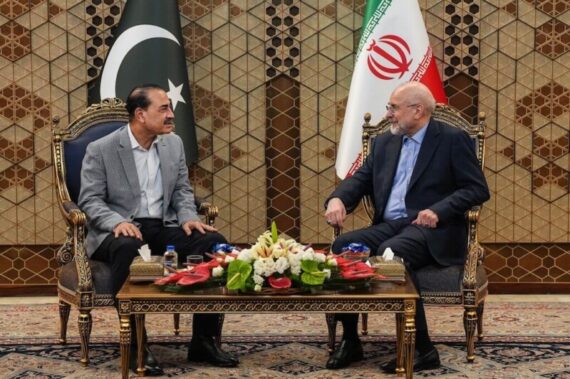
Current regional events have cast a shadow over the political and economic landscape, given the difficulty of reaching a formula for consensus between the United States and Iran. This has prompted Islamabad to intervene and adopt a mediation initiative, hosting direct negotiations at the highest level. This step has been described by many as the result of precise political and security calculations that take into consideration the repercussions of escalation in the region and its impact on Iran’s neighbors, and on the region as a whole.
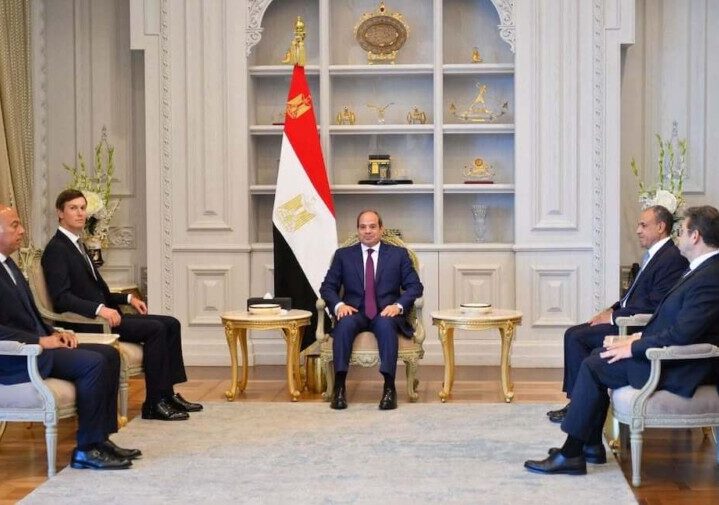
The Pakistani initiative did not come about as a reaction at a particularly sensitive moment, but rather as a direct protection of its internal security and its economy, which cannot withstand the devastating effects of being drawn into regional conflicts, which in itself seems a justifiable reason for such action. However, the timing of Islamabad’s entry as a mediator has raised many questions, at a time when countries such as Oman, Qatar, Saudi Arabia, Türkiye, and Egypt were themselves seeking to bridge the divide and reduce tension. Therefore, what was it that prompted Islamabad this time to adopt the mediation role that Oman has played between the United States and Iran for many decades?
There may be several interpretations of Pakistan’s decision to take a mediation role at this critical juncture, involving two parties whose relationship has been marked by open hostility since the 1979 Iranian Revolution. Some believe that Islamabad’s move stems from a desire to ensure regional stability, which is essential for the smooth flow of maritime traffic, the uninterrupted flow of energy resources to consumers, and the avoidance of internal tensions in Iran. This is to say nothing of the potential influx of refugees and border tensions, as well as the economic shocks associated with disruption to energy prices, trade, shipping, and insurance. Therefore, according to this argument, Islamabad has adopted a mediating stance to prevent escalation and seek diplomatic solutions to the crisis, given that a protracted conflict threatens both regional and internal Pakistani security. Thus, the mediation role reflects a desire to prevent the expansion of the regional war, an attempt to de-escalate tensions between competing powers, and a commitment to maintaining a strategic balance between all parties to the conflict, without siding with any of them. The initiative embodies Pakistani political traditions of keeping channels of communication open with all competing powers.
On the contrary, some believe Pakistan’s move is driven by opportunistic motives. Perhaps, Islamabad saw an opportunity to regain its diminishing standing and bolster its international presence, at a time when it is grappling with economic difficulties and political instability. Others view this as less credible, arguing that it is seeking to improve its image abroad, particularly in the United States, and strengthen its ties with the Gulf Cooperation Council (GCC) states. Such a move would grant it diplomatic prestige and the ability to present itself as an indispensable regional power.
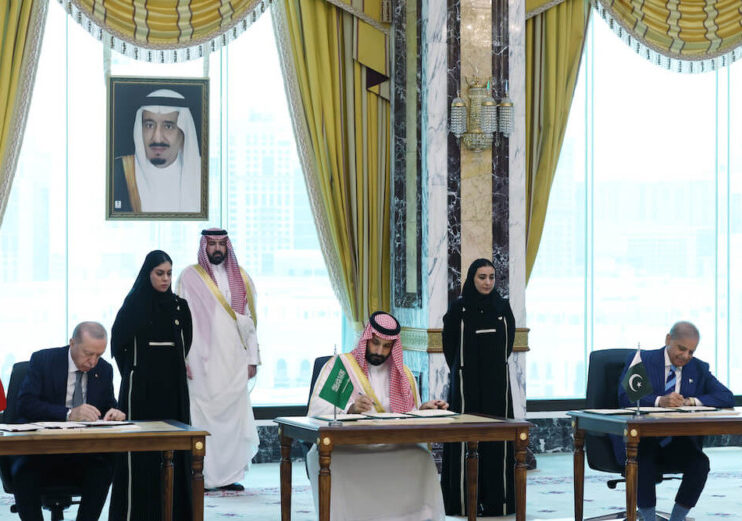
This comes within the framework of repositioning itself after years of relative isolation and attempting to balance its relationships with regional actors like Iran and Saudi Arabia, especially given the Joint Defense Agreement (JDA) with Riyadh, which places Islamabad in a precarious position, particularly in the event of a potential clash between Iran and Saudi Arabia. Furthermore, it seeks to maintain balanced relations with other regional and international players such as Türkiye and the United States, a position which could lead to economic gain, broader security cooperation, defense-industry partnerships, and debt relief. With the disruption to energy supplies, Islamabad has been forced to implement austerity measures, shortening school days and working hours to conserve energy.
Ensuring a de-escalation of the regional situation would in fact bring significant benefits to Pakistan. These include guaranteeing access to Iranian oil at affordable prices once sanctions are lifted, and the completion of the long-awaited Iran-Pakistan gas pipeline. By avoiding further escalation, Islamabad would also secure a safe trade corridor to Central Asia via Iran, as evidenced by the shipment of the first batch of Pakistani frozen meat to Uzbekistan in April 2026. This is particularly important given that trade routes through Torkham and Chaman, key strategic border crossings and vital trade arteries from Afghanistan to Central Asia, remain closed due to ongoing strained relations between Islamabad and Kabul. Furthermore, internal stability in Iran would prevent Indian attempts to infiltrate Pakistan’s Baluchistan via the Chabahar project, thus thwarting any encirclement efforts by New Delhi. These benefits would also prevent India from attempting to extend its influence through Iran into Pakistani Baluchistan.
According to an extreme view, still others believe that Islamabad may be complicit in a conspiracy against Tehran, given the actions of the United States, Pakistan’s historical ally, and Iran, its ideological antithesis and the primary rival of Saudi Arabia, a key Pakistani ally in the region. Maintaining complete neutrality in these circumstances would therefore be extremely difficult. This view is supported by the mobilization of forces and the stringent sentiment that the United States continued to express while negotiations were underway.
Recommended
This included the entry of two American destroyers into Saudi waters in the Arabian Gulf and the arrival of Pakistani forces at King Abdulaziz Air Base in the Eastern Province, accompanied by fighter jets and various weapons. Some interpreted this as an activation of the JDA between the two countries, an agreement considered a strategic buffer for Saudi Arabia and an additional layer of deterrence. It is worth noting that there were also reports that Pakistan simultaneously hosted some Iranian aircraft at Nur Khan Air Base, to protect them from any American military strikes. These included RC-130 intelligence and reconnaissance aircraft and C-130 transport aircraft. Conflicting views call for a deep reassessment of Pakistan’s actual role in the negotiations, which means that Islamabad’s initiative appeared to be not so much altruistic as a geostrategic maneuver to achieve substantial gains under the guise of ensuring the region’s security.
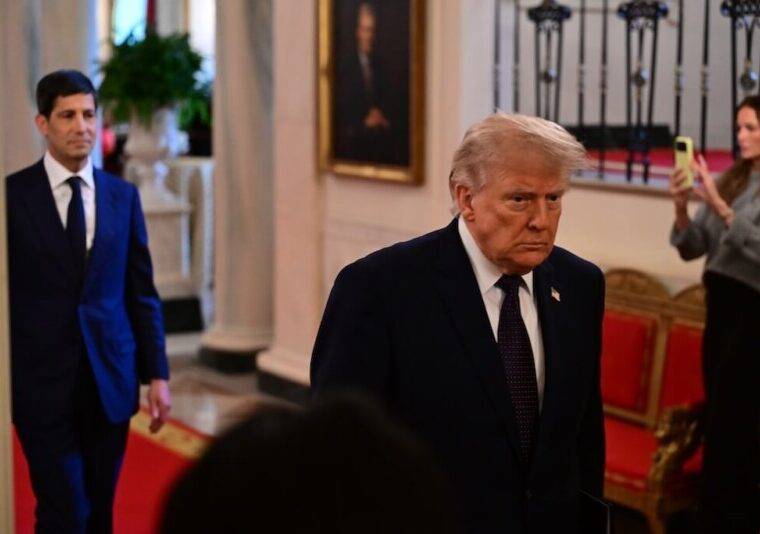
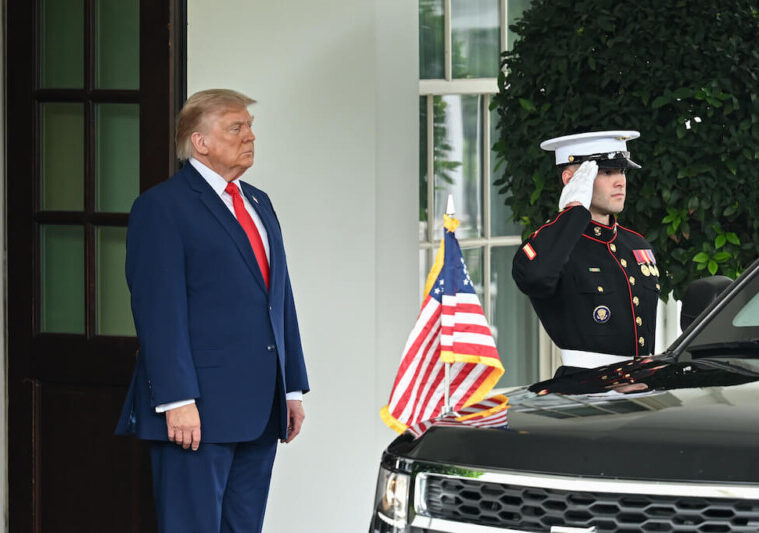
There remains the factor of China, which strongly supports the negotiating track adopted by Pakistan, preferring a diplomatic solution to escalation. China supports Iran, not only because the latter is a key partner in trade and energy, but also because it is a reliable strategic ally in any future confrontation with the United States. Beijing does not want any disruption to shipping lanes, and at the same time seeks a balanced relationship with Washington, as was evident during US President Donald Trump’s visit to China on May 13, 2026. Therefore, it prefers to play a supporting role in negotiations rather than leading them. Reports indicate that Beijing pressured Tehran to accept de-escalation and enter negotiations, exploiting Iran’s need to export its oil to the Chinese market.
In short, Islamabad’s hosting of negotiations between two parties that are extremely important to its national security involves several possible motives, including that this is at the request of the United States, which is trying to end the crisis with the least number of losses and concurrently to save face. It may also be driven by other parties such as Saudi Arabia, which is keen on the security of the region at a time when it is accelerating towards achieving its economic ambitions that require a degree of regional stability.
Despite the regional competition with Iran, Riyadh sees the stability and prosperity of its northern neighbor as a greater opportunity for rapprochement, at a time when its relationship with the United Arab Emirates (UAE) is shrouded in much ambiguity. Thus, the outcomes of Pakistan’s role and what the conflict will lead to is likely to indicate much of what the region will face, which also means that the true implications behind the role that Pakistan is playing may become clear later, for Pakistan itself, for the two parties to the conflict, and for the entire region.

Said Abdullah Albimani is a retired colonel and a fighter pilot from the Royal Air Force of Oman with 37 years of total military service in the Omani and Qatari air forces, with master degrees in strategy and policy (Australia), political science (USA), strategic studies (USA), executive MBA (USA), and a PhD in Gulf Studies from Qatar University. His field of interest is mainly politics and security. His publications include a book chapter of Oman’s foreign policy towards the Arab Gulf region, and insights into regional issues within the Arab Gulf especially foreign policies and maritime security. His email is saidalbimani@hotmail.com
You can see how this popup was set up in our step-by-step guide: https://wppopupmaker.com/guides/auto-opening-announcement-popups/

Stay informed by subscribing to
our weekly newsletter.
You can see how this popup was set up in our step-by-step guide: https://wppopupmaker.com/guides/auto-opening-announcement-popups/
You can see how this popup was set up in our step-by-step guide: https://wppopupmaker.com/guides/auto-opening-announcement-popups/
You can see how this popup was set up in our step-by-step guide: https://wppopupmaker.com/guides/auto-opening-announcement-popups/
You can see how this popup was set up in our step-by-step guide: https://wppopupmaker.com/guides/auto-opening-announcement-popups/