P
akistan’s desire to mediate stems from a need for peace and a perception of a vital threat. The war in Iran could lead to a direct security crisis for Pakistan. While the Iranian Ministry of Defense’s latest statement suggests that the U.S. is seeking to “save face,” Pakistan has feared from the beginning that the conflict would spread.
Defense Minister Hoca Muhammad Asif’s warning encapsulates Pakistan’s strategic concerns: This war could result in an Israel-aligned “encirclement” encompassing Afghanistan, Iran, and India. In such a scenario, Pakistan would be caught between a threat triangle comprising India to the east, Iran to the west, and Afghanistan/Taliban-aligned forces to the northwest. Although Islamabad dismisses the risk of a direct attack, citing the country’s integration into the international system and its robust defense capabilities, the instability that a proxy war would generate would be unacceptable for Pakistan.
In addition to external security concerns, Pakistan’s status as home to the world’s second-largest Shia population after Iran increases Islamabad’s internal security risks in the event of a potential escalation. In the early days of the war, for example, dissatisfied Shias in Karachi stormed the US Consulate. Meanwhile, the effective closure of the Strait of Hormuz for eight weeks constitutes a direct threat to the Pakistani economy. Pakistan is experiencing direct inflationary impacts caused by rising oil prices and global supply chain disruptions. Consequently, Munir’s mediation is viewed as a vital national security and economic imperative, not merely a foreign policy move.
The Rise of the Marshal as a diplomatic actor
As Islamabad-led diplomacy seeks to end the conflict, one name stands out in this critical role: Marshal Asim Munir. Munir’s exceptional performance can be attributed to his unique profile and the extraordinary consolidation of power that has taken place over the past year.
Munir is a new-generation military leader who embodies Pakistan’s institutional memory and pragmatism. Munir is one of the few figures to have previously led both Military Intelligence and the Inter-Services Intelligence (ISI). This experience makes him privy to all of the regime’s secrets. However, what sets him apart from his predecessors is his ability to maneuver on the international stage. While US President Donald Trump called him “my favorite marshal,” Iranian officials have also repeatedly expressed their trust in him. This mutual trust has placed Münir in a unique position.
Last year’s brief war with India marked a turning point in his rise. His measured response during that period earned him respect in Washington and enabled him to establish a direct line of communication with the Trump administration. Moreover, his position in Pakistan, where the military has the final say in domestic and foreign policy, has been further consolidated through constitutional amendments. Promoted to Marshal and granted lifelong judicial immunity, he is now the Chief of Defense Forces (CDF). This title encompasses air, naval, and strategic nuclear command, making him the country’s absolute authority. While Prime Minister Shahbaz Sharif is on diplomatic tours, Munir is seen as the true decision-maker and the “strongman.”
The benefits Pakistan hopes to gain from mediation
Pakistan’s mediation initiative is primarily aimed at securing vital economic gains. Sanctions against Iran due to the war and risks in the Strait of Hormuz have sent Pakistan’s energy prices soaring and plunged the country into a serious economic crisis. Pakistan has been forced to implement austerity measures, such as a four-day workweek for public sector employees and school closures. Through this mediation, Pakistan aims to revive the long-delayed Iran-Pakistan natural gas pipeline project. A successful agreement would provide Pakistan with a steady supply of low-cost natural gas, reducing industrial production costs and establishing long-term energy security.
Furthermore, this process has opened the door for Pakistan to form partnerships with the U.S. in cutting-edge strategic sectors, such as rare earth elements and cryptocurrency. The critical mining agreements signed under Marshal Munir’s personal supervision and the agreements reached with a cryptocurrency company linked to the Trump family demonstrate that the war-induced chaos has transformed into an economic opportunity for Pakistan.
In terms of foreign policy, Pakistan aims to achieve a “revision of its reputation” and strategic autonomy on a global scale through this initiative. Often labeled a “destabilizing force” due to its history in Afghanistan and disputes with neighbors, Pakistan seeks to elevate itself to the role of peacemaker. This process is believed to demonstrate Pakistan’s unique ability to conduct simultaneous diplomacy with Washington, Ankara, Tehran, Riyadh, and Beijing.
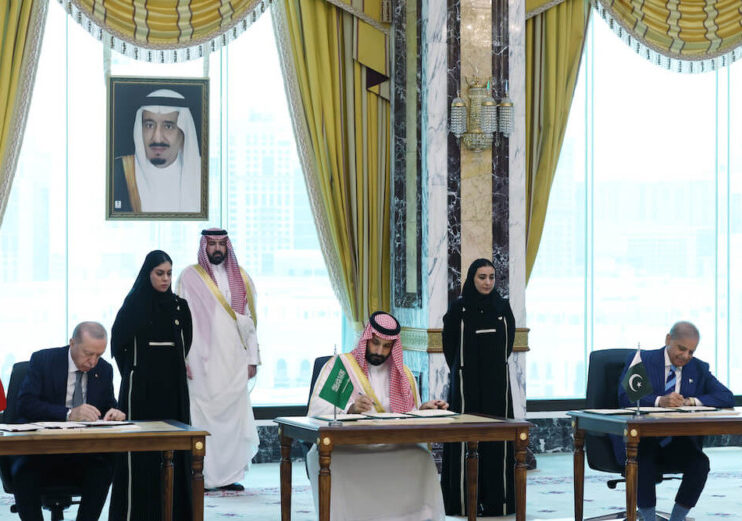
With the support of a broad international coalition ranging from the UN Secretary-General to China and Turkey to Saudi Arabia, Pakistan aims to position itself not just as a regional crisis manager but as an “indispensable interlocutor” in the eyes of global powers. This situation provides Pakistan
Backed by a broad international coalition ranging from the UN Secretary-General to China and Turkey to Saudi Arabia, Pakistan is positioning itself not just as a regional crisis manager, but as an “indispensable interlocutor” in the eyes of global powers. This provides Pakistan with the maneuvering space to advance the CPEC project with China and establish a strategic partnership with the U.S., alleviating the traditional pressure on the country to “pick sides” in the U.S.-China rivalry to some extent.
In domestic politics, the greatest gain relates to consolidating the army’s institutional legitimacy and political dominance under Marshal Asim Munir’s leadership. Mounting criticism of internal security, fueled by the economic crisis, protests by Imran Khan’s supporters, and the actions of terrorist organizations such as the Pakistani Taliban and the Baluchistan Liberation Army, had fueled debates about the erosion of trust in the army under Munir’s leadership. Despite these criticisms, the 2025 constitutional amendment elevated Munir to become the head of the army and the country’s most powerful leader since Pervez Musharraf. Consequently, this mediation process served as a demonstration of how Munir could project the profile of a “crisis manager” on the international stage using his new powers and secured his legitimacy.

Recommended
Can Pakistan end the war?
So far, Pakistan has undertaken a functional mission, acting as a party capable of overcoming communication issues and conveying critical information that could end the war. However, as Pakistan lacks the capacity of a third-party Great Power to force concessions or exert pressure on the parties, which would be necessary to end the war completely, its options are limited.
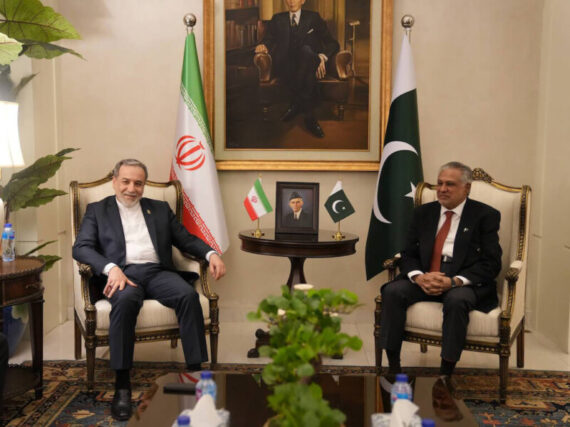
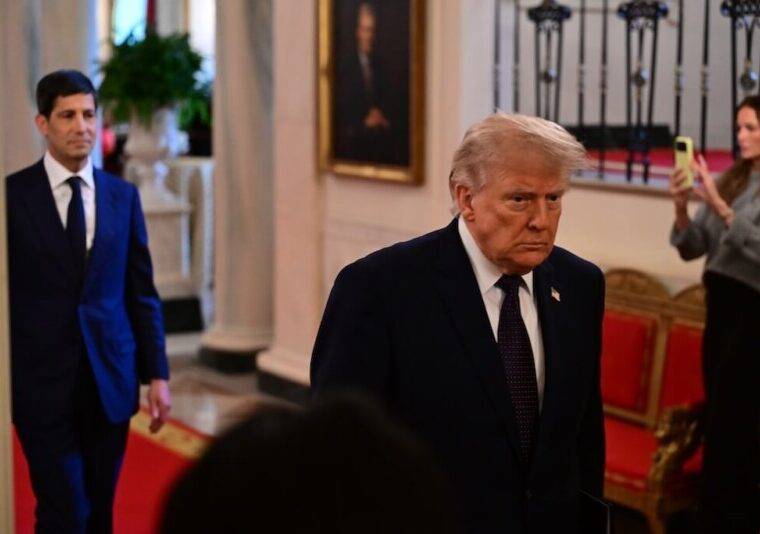
Prior to the second round of talks, Iranian Foreign Minister Abbas Arakchi met with Marshal Munir and Prime Minister Sharif in Islamabad. He praised Pakistan’s efforts, particularly Marshal Munir’s, toward a ceasefire and the end of the war and conveyed Iran’s demands to Pakistani officials. Just as everything was ready for the American delegation to arrive in Islamabad and begin the second round of talks, Trump announced that he had canceled his team’s trip to Pakistan.
This sudden cancellation cast uncertainty over the future of the negotiations but did not bring the mediation process to a complete end. In a telephone conversation with the Iranian president, Prime Minister Sharif reiterated that Pakistan would continue to play the role of an “honest and sincere facilitator.” Trump’s refusal to negotiate appears to be a bargaining tactic that draws attention to the “chaos and internal conflicts” under Iranian leadership. Meanwhile, the U.S. has stated that it obtained this information from Pakistani officials.
Consequently, with the Strait of Hormuz still closed and the parties observing a ceasefire, it cannot be said that Pakistan’s mediation efforts have come to an end. In this context, the world will continue to watch and see if Islamabad can turn this chaos into a diplomatic victory.
(Originally published in Turkish by Kriter)