Report: Indigenous Peoples Key to Global Climate Resilience
Despite their stewardship of land and natural resources, Indigenous Peoples often struggle with insecure land tenure and legal recognition.
September 1, 2025
I
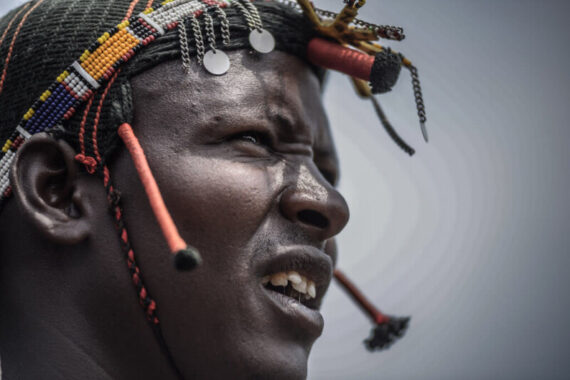
ndigenous Peoples, who safeguard much of the world’s biodiversity and play a central role in maintaining ecosystems, remain disproportionately affected by climate change despite contributing little to global emissions, according to a recent World Bank framework unveiled this month.
The report, Enhancing Access to Benefits While Lowering Emissions: A Framework for Indigenous Climate Resilience, highlights that Indigenous Peoples manage or hold tenure rights to 28% of the Earth’s land surface. This territory includes 40% of protected and ecologically intact landscapes and is home to 80% of the planet’s remaining biodiversity.
“These communities have been resilient for centuries, surviving threats, violence, and repeated shocks,” the framework said. “Their traditional knowledge, governance systems and cultural values continue to support the planet’s ecological balance.”
The framework paints a stark picture of the inequalities faced by Indigenous communities. Many live in regions with inadequate access to essential services such as health care, education, clean water, sanitation, and emergency response infrastructure. This lack of basic resources leaves them more vulnerable to climate-driven disasters, from floods and droughts to wildfires and hurricanes.
Despite their stewardship of land and natural resources, Indigenous Peoples often struggle with insecure land tenure and legal recognition. They also face displacement pressures from extractive industries, infrastructure projects, and, increasingly, climate change itself.
“Indigenous Peoples are disproportionately impacted by a changing climate, even though their contributions to greenhouse gas emissions are minimal,” the World Bank noted.
Developed in consultation with over 100 Indigenous leaders, rights experts, and policymakers from 16 countries across South Asia, Africa, and Latin America, the new framework sets out guiding principles, internal resilience drivers, and policy pathways to support Indigenous adaptation.
At its core are six principles: recognizing Indigenous Peoples as rights holders, ensuring their worldviews inform policy, legitimizing decision-making processes through structured dialogue, prioritizing women and youth, aligning climate action with Indigenous values, and safeguarding collective rights.
The report identifies four key internal drivers of resilience:
Land, Territories, and Natural Resources – Secure tenure and management rights underpin cultural identity, food security, and ecological stewardship.
Indigenous Governance Systems and Institutions – Traditional decision-making processes strengthen community cohesion and adaptive capacity.
Indigenous Knowledge Systems, Spiritual Values, and Cultural Practices – Time-tested practices support natural resource management, climate forecasting, and disaster preparedness.
Food Systems, Livelihoods, and Economies – Locally adapted production and trade networks form a basis for resilience but remain vulnerable to market exclusion and environmental disruption.
The framework urges governments, donors, and development agencies to establish legal recognition of Indigenous land rights, create inclusive financing mechanisms, and expand access to markets and digital infrastructure. It also calls for increased investment in Indigenous-led climate initiatives and disaster preparedness systems.
“Climate justice is inseparable from Indigenous justice,” the report stated. “Ensuring these communities receive benefits and participate in decision-making commensurate with their contributions is essential to achieving sustainable development goals.”
Women and youth are highlighted as pivotal actors in building resilience. Indigenous women often serve as custodians of traditional medicine, food systems, and cultural continuity, yet they face gendered barriers to participation and leadership. Youth, meanwhile, are seen as crucial for bridging generational knowledge and integrating Indigenous languages and perspectives into education systems.
Recommended
The release of this framework comes amid a broader reorientation of the World Bank’s mission to include “a livable planet” as a core pillar alongside poverty reduction and the fight against inequality. The report underscores that Indigenous stewardship is not only an issue of justice but also of global interest, as their territories are vital to biodiversity conservation and carbon storage.
“Indigenous Peoples manage landscapes that are essential for global climate stability,” said [World Bank Representative], commenting on the report. “Supporting their resilience means supporting humanity’s resilience.”
The framework also calls for better integration of Indigenous perspectives into national climate adaptation plans and international agreements, including mechanisms under the Paris Agreement.
While the report outlines a clear roadmap, it also acknowledges the challenges ahead: entrenched discrimination, underfunding, and political resistance in some countries have historically undermined Indigenous rights. Successful implementation, it argues, will depend on long-term commitment from governments, multilateral institutions, and the private sector.
By centering Indigenous knowledge and governance, the World Bank hopes to provide a model that combines climate adaptation with social justice. “This is a global public good,” the report concludes, “but it will only work if Indigenous Peoples are at the table — not as beneficiaries, but as equal partners.”
(Source: World Central Bank)

Politics Today is dedicated to publishing insightful analyses in order to understand the changing nature of contemporary politics. It aims to contribute to the sound and constructive discussion of international affairs.
You can see how this popup was set up in our step-by-step guide: https://wppopupmaker.com/guides/auto-opening-announcement-popups/

Stay informed by subscribing to
our weekly newsletter.
You can see how this popup was set up in our step-by-step guide: https://wppopupmaker.com/guides/auto-opening-announcement-popups/
You can see how this popup was set up in our step-by-step guide: https://wppopupmaker.com/guides/auto-opening-announcement-popups/
You can see how this popup was set up in our step-by-step guide: https://wppopupmaker.com/guides/auto-opening-announcement-popups/
You can see how this popup was set up in our step-by-step guide: https://wppopupmaker.com/guides/auto-opening-announcement-popups/