Slovenia Plans Referendum on NATO Membership
Slovenia's new parliament speaker outlined a vision of foreign policy based on non-alignment and broad international cooperation.
April 15, 2026
S
lovenia’s newly appointed parliament speaker, Zoran Stevanović, has announced plans to hold a national referendum on whether the country should withdraw from NATO, signaling a potential shift in the country’s foreign and security policy.
Speaking to Slovenia’s public broadcaster RTVSLO, Stevanović said the vote would fulfill a campaign promise made by his political movement. “We promised the people a referendum on the issue of leaving NATO, and we will hold this referendum,” he said, emphasizing that the decision should ultimately rest with voters.
Stevanović, a leading figure in the anti-establishment Truth party, framed the proposal as part of a broader effort to reassert Slovenia’s sovereignty. He stressed that his position was not aligned with any foreign power, rejecting claims that his stance reflects pro-Russian sympathies. “I have no pro-Russian views, only pro-Slovenian ones,” he said. “Slovenia must conduct its policy independently and sovereignly.”
The speaker outlined a vision of foreign policy based on non-alignment and broad international cooperation. While advocating engagement with global powers, he cautioned against what he described as subordination to external interests. “Good relations with everyone, but in the interest of Slovenia,” he added.
Stevanović also indicated a desire to scale back Slovenia’s involvement in international conflicts, saying the country should avoid interference in foreign military and diplomatic disputes. “Slovenia never benefits from this,” he said, suggesting a more restrained approach to global engagement.
In a move likely to draw attention among Western allies, Stevanović confirmed plans to travel to Moscow in the near future. He said the visit would aim to “build bridges” and promote dialogue despite growing geopolitical divisions between East and West.
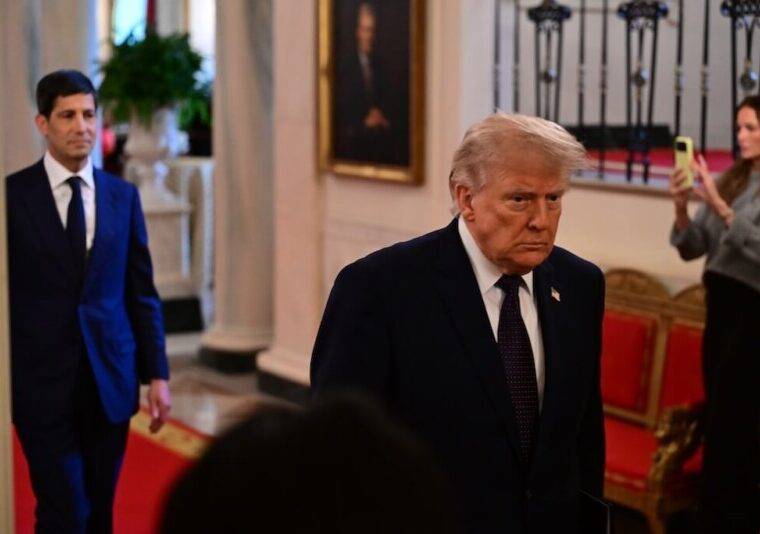
The proposal to reconsider NATO membership comes at a time of heightened debate over the alliance’s future. Recent criticism from figures such as former U.S. President Donald Trump has added to questions about transatlantic unity, particularly amid ongoing geopolitical tensions and security challenges.
However, Stevanović appeared to draw a distinction between Slovenia’s NATO membership and its place in the European Union. He acknowledged that public support for leaving the EU is limited, noting that Slovenia continues to benefit from its membership in the bloc. This suggests that any push for a referendum would focus narrowly on NATO rather than a broader realignment away from European institutions.
In addition to the NATO proposal, Stevanović said his party intends to pursue other policy goals, including advocating for Slovenia’s withdrawal from the World Health Organization, further underscoring its critical stance toward international organizations.
Recommended
Stevanović’s rise to the speakership follows parliamentary elections in March that left liberal parties short of a majority. The outcome allowed a coalition of right-wing and smaller “kingmaker” parties, including the Truth party, to play a decisive role in shaping the country’s leadership.
Political analysts say the prospect of a NATO withdrawal referendum introduces a new level of uncertainty into Slovenia’s foreign policy. The country has been a member of the alliance since 2004 and has participated in various NATO missions and initiatives.
Any move to leave NATO would have significant implications for Slovenia’s security posture and its relationships with Western allies. It could also signal broader shifts within European politics, where debates over sovereignty, defense commitments, and international alignment have become increasingly prominent.
For now, it remains unclear when the proposed referendum might take place or whether it would gain sufficient political and public support to pass. Nevertheless, the announcement marks a notable development in Slovenia’s political landscape and raises important questions about the future direction of its foreign policy.
(Source: Anadolu Agency)

Politics Today is dedicated to publishing insightful analyses in order to understand the changing nature of contemporary politics. It aims to contribute to the sound and constructive discussion of international affairs.
You can see how this popup was set up in our step-by-step guide: https://wppopupmaker.com/guides/auto-opening-announcement-popups/

Stay informed by subscribing to
our weekly newsletter.
You can see how this popup was set up in our step-by-step guide: https://wppopupmaker.com/guides/auto-opening-announcement-popups/
You can see how this popup was set up in our step-by-step guide: https://wppopupmaker.com/guides/auto-opening-announcement-popups/
You can see how this popup was set up in our step-by-step guide: https://wppopupmaker.com/guides/auto-opening-announcement-popups/
You can see how this popup was set up in our step-by-step guide: https://wppopupmaker.com/guides/auto-opening-announcement-popups/