Trump Heads to China Seeking Diplomatic Gains amid Iran War Pressures
According to officials involved in preparations for the Trump-Xi summit, it remains uncertain whether Washington and Beijing will even extend their fragile trade truce.
May 12, 2026
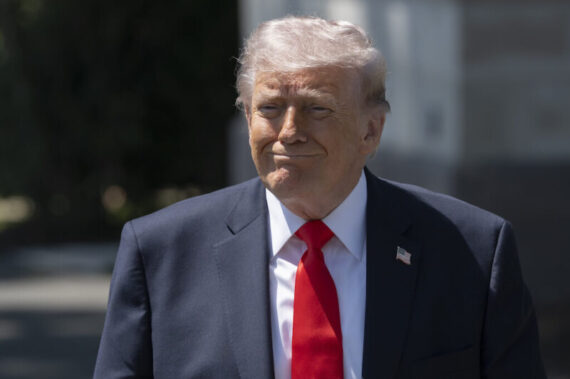
U
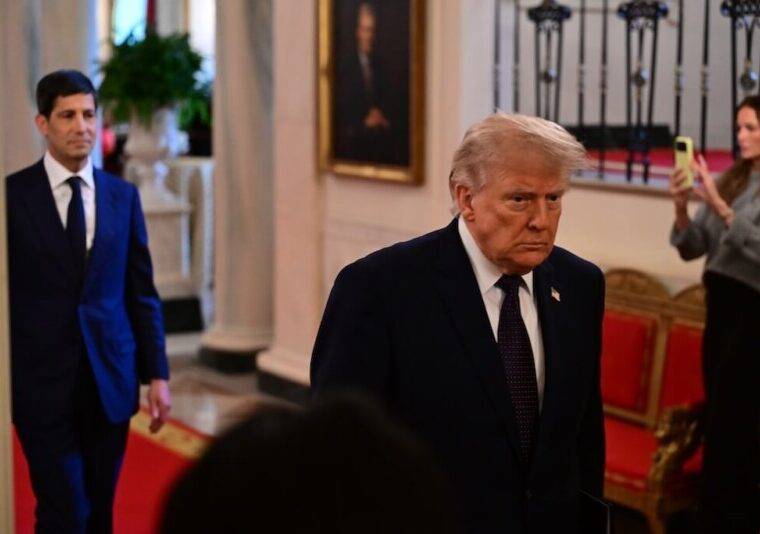
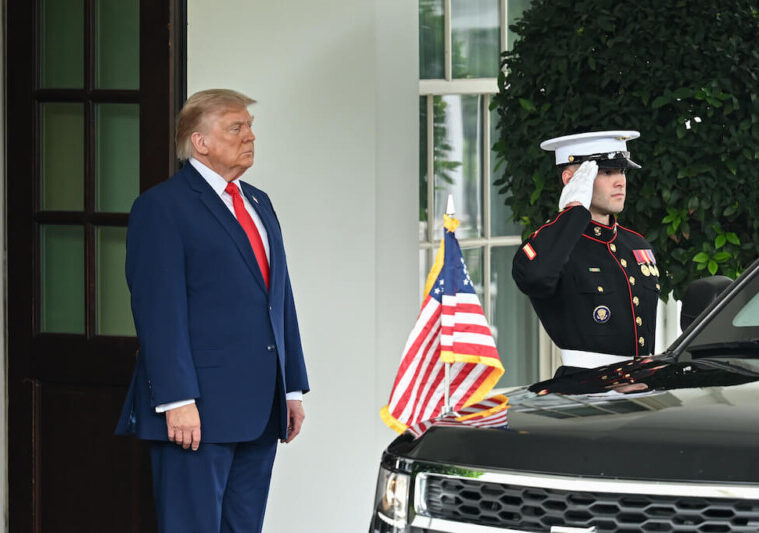
.S. President Donald Trump arrives in China this week facing mounting political and economic pressure at home, with analysts saying he now needs cooperation from Chinese President Xi Jinping more than ever as the war with Iran weighs on his presidency.
The May 14-15 summit in Beijing marks the first major face-to-face talks between the two leaders since they agreed last October to pause an escalating trade war that had shaken global markets. Expectations for the meeting, however, are far lower than during Trump’s earlier confrontations with Beijing, when he promised sweeping tariffs would force China into major concessions.
Instead of broad economic victories, analysts expect only limited agreements focused on agricultural exports, aircraft sales and mechanisms to manage future trade disputes. According to officials involved in preparations for the summit, it remains uncertain whether Washington and Beijing will even extend their fragile trade truce.
Political analysts say the shift reflects how Trump’s hardline strategy has struggled to produce clear gains. Alejandro Reyes, a professor specializing in Chinese foreign policy at the University of Hong Kong, said Trump is now searching for a foreign policy success that could restore confidence in his leadership.
“Trump kind of needs China more than China needs him,” Reyes said, arguing that the U.S. president wants to show voters he can stabilize international affairs rather than deepen global tensions.
The summit will include high-profile ceremonial events in Beijing, including meetings at the Great Hall of the People, a visit to the Temple of Heaven and a state banquet. Trump will also be accompanied by a delegation of American business leaders, including executives from Tesla and Apple, although the group is reportedly smaller than during his 2017 China visit.
The ongoing conflict with Iran has become a central factor shaping Trump’s diplomatic agenda. Reuters reported that the president hopes China can use its influence with Tehran to help secure a deal that could reduce tensions and eventually end the war.
China remains one of Iran’s most important economic partners and continues to purchase significant amounts of Iranian oil despite Western pressure. Beijing has also maintained diplomatic relations with Tehran throughout the conflict.
The war has increasingly become a political liability for Trump. A recent Reuters/Ipsos poll found that more than 60% of Americans disapprove of his handling of the Iran conflict, amid concerns over rising energy prices and growing instability in the Middle East.
At the same time, Beijing appears positioned to demand concessions in return for any cooperation over Iran. Analysts say China’s top priority remains Taiwan, the self-governing island claimed by Beijing.
Chinese officials and policy advisers are expected to push Trump to reaffirm opposition to Taiwanese independence and avoid actions that could strengthen Taipei diplomatically or militarily. Even subtle changes in Washington’s language on Taiwan could raise concerns among U.S. allies across Asia about America’s long-term commitments in the region.
Recommended
Despite the temporary tariff truce reached last year, major trade disputes between the world’s two largest economies remain unresolved.
China has expanded its economic leverage in recent months, particularly through tighter controls on rare earth exports — materials critical for electric vehicles, semiconductors and military equipment. Beijing has also introduced laws designed to punish foreign companies that relocate supply chains away from China.
Meanwhile, the Trump administration continues to face legal and political challenges over its tariff policies. U.S. courts have questioned aspects of Trump’s trade measures, weakening the administration’s negotiating position ahead of the Beijing summit.
China is reportedly seeking guarantees that Washington will avoid imposing new technology restrictions and may push for the rollback of existing controls targeting advanced chipmaking equipment and memory chips.
Some analysts believe the most realistic outcome of the summit is simply maintaining stable relations and avoiding another escalation in trade tensions.
Scott Kennedy of the Center for Strategic and International Studies described the likely result as “a superficial ceasefire that is largely to China’s advantage.”
Still, for Trump, even a limited diplomatic success could help counter growing criticism over the Iran war and demonstrate that his administration remains capable of managing increasingly complex global crises.
(Source: Reuters)

Politics Today is dedicated to publishing insightful analyses in order to understand the changing nature of contemporary politics. It aims to contribute to the sound and constructive discussion of international affairs.
You can see how this popup was set up in our step-by-step guide: https://wppopupmaker.com/guides/auto-opening-announcement-popups/

Stay informed by subscribing to
our weekly newsletter.
You can see how this popup was set up in our step-by-step guide: https://wppopupmaker.com/guides/auto-opening-announcement-popups/
You can see how this popup was set up in our step-by-step guide: https://wppopupmaker.com/guides/auto-opening-announcement-popups/
You can see how this popup was set up in our step-by-step guide: https://wppopupmaker.com/guides/auto-opening-announcement-popups/
You can see how this popup was set up in our step-by-step guide: https://wppopupmaker.com/guides/auto-opening-announcement-popups/