Trump Rejects Iran Proposal as Nuclear Dispute Stalls Ending War
Iran’s plan, according to sources familiar with the discussions, envisions a phased approach to negotiations with the US and Israel.
April 28, 2026
P
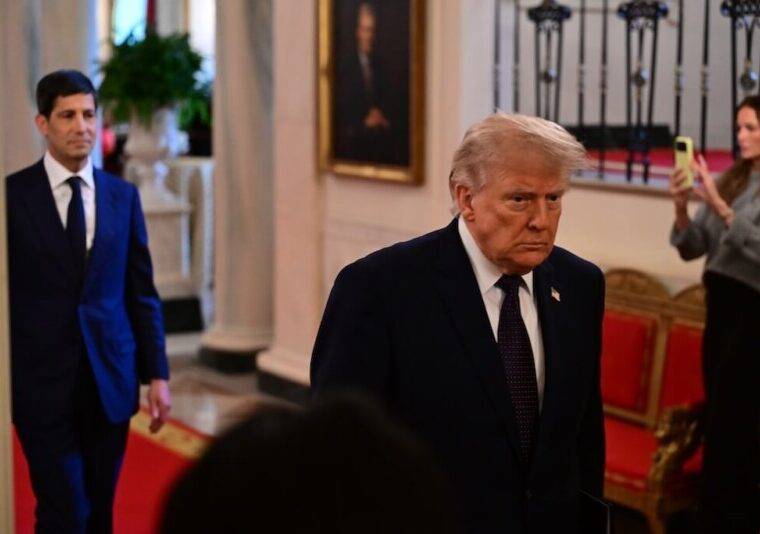
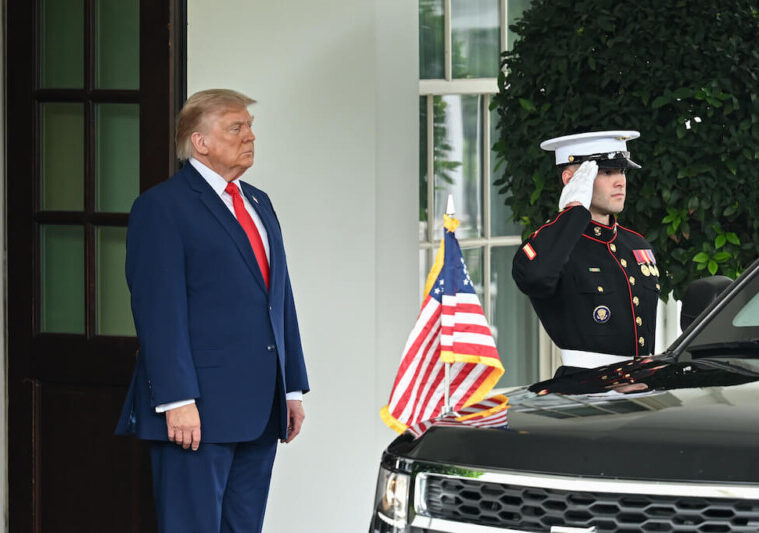
resident Donald Trump has rejected Iran’s latest proposal to end the two-month war, according to a U.S. official, dealing a setback to already fragile diplomatic efforts and raising concerns over prolonged disruptions to global energy markets.
The proposal, delivered by Iranian officials through regional intermediaries, reportedly seeks to postpone negotiations over Tehran’s nuclear program until after a ceasefire is achieved and maritime disputes in the Gulf are resolved. But Washington has insisted that any agreement to end the conflict must address Iran’s nuclear activities from the outset.
A U.S. official familiar with internal discussions said Trump was dissatisfied with the plan because it sidelines the nuclear issue, a long-standing point of contention between the two countries. “The president has been clear about the need to deal with nuclear concerns early in any negotiation,” the official said, speaking on condition of anonymity.
The White House declined to comment directly on the proposal. A spokesperson said the United States “will not negotiate through the press” and reiterated that Washington’s red lines remain unchanged as it seeks to bring the conflict to an end.
The war, which began in February with U.S. and Israeli strikes targeting Iranian assets, has killed thousands and severely disrupted oil shipments through the Gulf, a critical artery for global energy supplies. The conflict has also added upward pressure on inflation worldwide, as oil prices continue to rise amid constrained flows.
Iran’s plan, according to sources familiar with the discussions, envisions a phased approach to negotiations. The first stage would involve halting hostilities and securing guarantees that the United States would not resume military action. This would be followed by talks on lifting a U.S. naval blockade and restoring normal shipping through the Strait of Hormuz, one of the world’s most important oil transit routes.
Only after these steps would negotiations turn to broader issues, including Iran’s nuclear program. Tehran has long maintained that its nuclear activities are for peaceful purposes and continues to seek international recognition of its right to enrich uranium.
The U.S. position reflects deep skepticism rooted in the collapse of the Iran nuclear deal, which had imposed strict limits on Iran’s nuclear activities in exchange for sanctions relief. Trump withdrew from the agreement during his first term, arguing it failed to address broader security concerns, a move that led to escalating tensions in subsequent years.
Diplomatic momentum appears to have slowed in recent days. Planned talks in Islamabad were called off after the U.S. cancelled a visit by its special envoy, while Iran’s Foreign Minister Abbas Araqchi has continued a series of regional and international meetings aimed at rallying support.
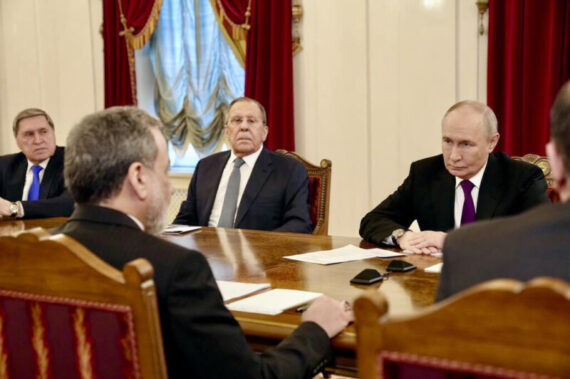
Araqchi travelled to Moscow this week, where he met President Vladimir Putin, securing backing from a key ally. He has also held discussions in Oman and Pakistan as part of ongoing shuttle diplomacy efforts.
Meanwhile, the situation in the Gulf remains tense. Shipping traffic through the Strait of Hormuz has dropped sharply since the conflict began, with only a handful of vessels transiting the waterway in the past day, according to maritime tracking data. Several tankers carrying Iranian oil have reportedly been turned back due to the U.S. blockade, underscoring the war’s impact on global supply chains.
Iran has condemned the seizures of its oil shipments, describing them as acts of “piracy” and warning of consequences if restrictions on its exports continue.
Recommended
Energy analysts say the market is increasingly focused on physical supply disruptions rather than political rhetoric. Reduced tanker traffic and uncertainty over the security of key shipping lanes have driven oil prices higher, with traders closely watching any developments that could signal either escalation or de-escalation.
At home, Trump faces growing political pressure to bring the conflict to a close, as declining approval ratings and rising fuel costs weigh on public sentiment. Iranian officials, for their part, argue that Washington has yet to achieve its stated military objectives and should return to negotiations without preconditions.
With both sides holding firm on core demands, prospects for a near-term breakthrough appear limited. The gap between Washington’s insistence on immediate nuclear concessions and Tehran’s push for a phased process suggests that any resolution to the conflict will require significant compromises — ones that neither side currently appears ready to make.
(Source: Reuters)

Politics Today is dedicated to publishing insightful analyses in order to understand the changing nature of contemporary politics. It aims to contribute to the sound and constructive discussion of international affairs.
You can see how this popup was set up in our step-by-step guide: https://wppopupmaker.com/guides/auto-opening-announcement-popups/

Stay informed by subscribing to
our weekly newsletter.
You can see how this popup was set up in our step-by-step guide: https://wppopupmaker.com/guides/auto-opening-announcement-popups/
You can see how this popup was set up in our step-by-step guide: https://wppopupmaker.com/guides/auto-opening-announcement-popups/
You can see how this popup was set up in our step-by-step guide: https://wppopupmaker.com/guides/auto-opening-announcement-popups/
You can see how this popup was set up in our step-by-step guide: https://wppopupmaker.com/guides/auto-opening-announcement-popups/