Trump Rejects Iran’s Response to U.S. Proposal as Oil Prices Surge

May 11, 2026

Global oil prices climbed sharply Monday following Trump’s rejection of the Iranian terms, reflecting growing concern that shipping through the Strait of Hormuz could remain heavily disrupted.
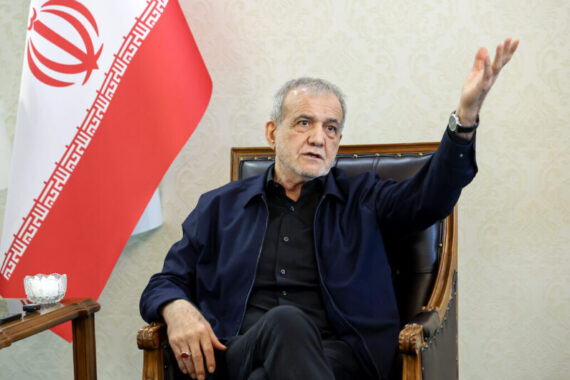
Iranian President Masoud Pezeshkian delivers a speech during an inspection visit to the Ministry of Sports and Youth in Tehran, Iran on April 19, 2026. Photo by Anadolu Images.

U

.S. President Donald Trump has rejected Iran’s response to a U.S.-backed peace proposal, calling Tehran’s counteroffer “totally unacceptable” as fears grow that the conflict could further destabilize global energy markets.

The sharp exchange came after Iran outlined conditions for ending the 10-week-old conflict, including a halt to the U.S. naval blockade, compensation for war damages, the lifting of sanctions, and recognition of Iranian sovereignty over the Strait of Hormuz — a strategic waterway that carries nearly one-fifth of the world’s oil supply.

Iranian state media said Tehran’s proposal also addressed wider regional fighting, particularly clashes in Lebanon involving the Iran-backed group Hezbollah and Israel.

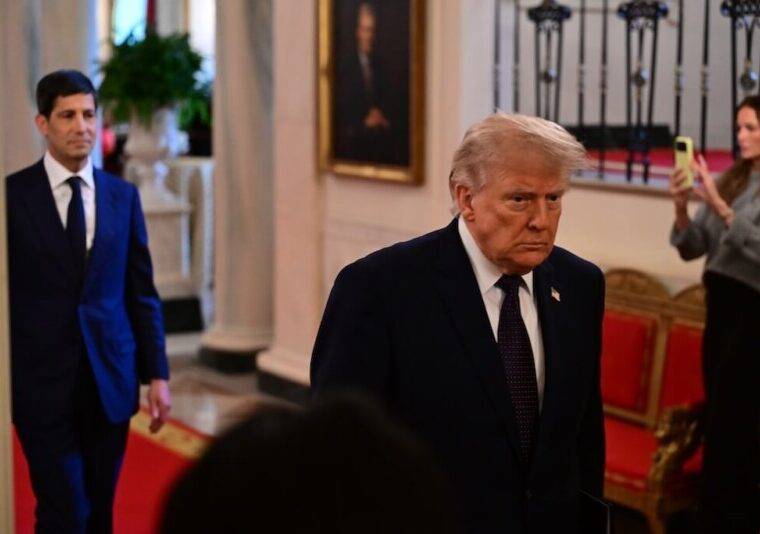
Within hours of the Iranian response becoming public, Trump dismissed it in a post on Truth Social.

“I don’t like it — TOTALLY UNACCEPTABLE,” he wrote, without elaborating.

The White House proposal had reportedly sought an immediate end to fighting before opening negotiations on more divisive issues such as Iran’s nuclear program and regional military activities.

Oil markets react to diplomatic deadlock

Global oil prices climbed sharply Monday following Trump’s rejection of the Iranian terms, reflecting growing concern that shipping through the Strait of Hormuz could remain heavily disrupted.

The waterway has become one of the conflict’s most sensitive flashpoints. Before the war, it served as a critical route for global crude exports from Gulf producers.

The continuing instability has increased pressure on the United States domestically, where rising fuel prices are becoming a political challenge ahead of congressional elections later this year. Polls show growing public frustration with the economic impact of the conflict.

Washington has also struggled to build broader international backing for military operations in the Gulf. Several NATO allies have reportedly declined U.S. requests to join efforts aimed at reopening the Strait without a comprehensive peace agreement and a broader international mandate.

Trump is expected to travel to Beijing on Wednesday for meetings with Chinese President Xi Jinping, where Iran and the global energy crisis are expected to dominate discussions.

The U.S. administration has increasingly looked to China to use its influence with Tehran to push for concessions and a possible settlement.

Speaking in televised remarks on Sunday, Trump said Iran had been weakened militarily but warned the conflict was not over.

“They are defeated, but that doesn’t mean they’re done,” he said.

Meanwhile, Israeli Prime Minister Benjamin Netanyahu said the war would continue until Iran’s enriched uranium stockpiles, enrichment facilities, ballistic missile capabilities and regional proxy networks were addressed.


Regional security concerns persist

In an interview with CBS’s “60 Minutes,” Netanyahu said diplomacy remained the preferred path for dealing with Iran’s nuclear material, though he did not rule out military action.

Iranian President Masoud Pezeshkian responded defiantly, saying Iran would “never bow down to the enemy” and would continue defending its national interests.

Despite diplomatic contacts, military tensions across the Gulf region remain high.

The United Arab Emirates said it intercepted two drones launched from Iran on Sunday, while Qatar condemned an attack on a cargo vessel traveling from Abu Dhabi through Qatari waters. Kuwait also reported intercepting hostile drones entering its airspace.

Clashes have also persisted in southern Lebanon between Israeli forces and Hezbollah despite a U.S.-brokered ceasefire announced in April.

Netanyahu acknowledged that Israeli officials initially underestimated Iran’s ability to disrupt maritime traffic through the Strait of Hormuz.

“It took a while for them to understand how big that risk is,” he said in the interview.

With diplomacy stalled and regional fighting continuing, concerns are growing that the conflict could deepen further, prolonging disruptions to energy supplies and increasing instability across the Middle East.

(Source: Reuters)

Politics Today is dedicated to publishing insightful analyses in order to understand the changing nature of contemporary politics. It aims to contribute to the sound and constructive discussion of international affairs.