US and Iran Reach Framework Deal to End War
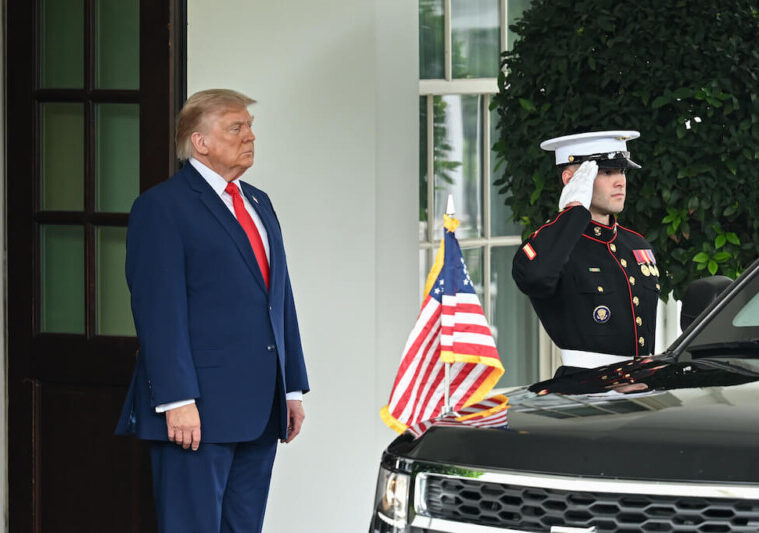
Trump announced that the Strait of Hormuz would reopen on Friday and said he had ordered an end to the U.S. blockade of Iranian ports.
June 15, 2026
T
he United States and Iran have reached a preliminary agreement to end months of conflict and reopen the strategically vital Strait of Hormuz, marking the most significant diplomatic breakthrough since the outbreak of war earlier this year and triggering a sharp decline in global oil prices.
The framework agreement, announced by U.S. President Donald Trump and confirmed by Iranian officials on Monday, is intended to halt military operations across multiple fronts and establish a pathway toward broader negotiations on Iran’s nuclear program and sanctions relief.
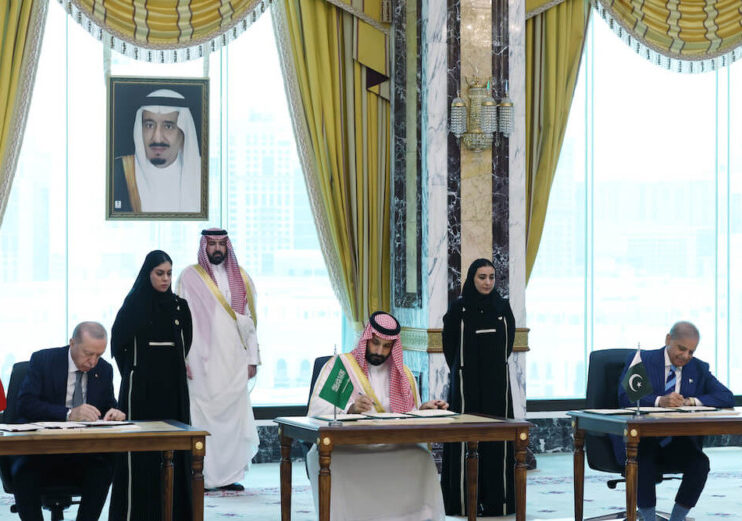
The memorandum of understanding is scheduled to be formally signed in Switzerland on Friday following mediation efforts led by Pakistan.
“The Deal with the Islamic Republic of Iran is now complete,” Trump wrote on his Truth Social platform on Sunday evening. The announcement came shortly after Pakistani Prime Minister Shehbaz Sharif revealed that negotiators had reached an agreement.
If implemented, the deal would represent the most important diplomatic achievement since the conflict began in February with joint U.S.-Israeli strikes on Iran, a war that has killed thousands, destabilized the Middle East, and disrupted global energy markets.
According to Pakistani officials, the agreement calls for the immediate and permanent cessation of military operations throughout the region, including in Lebanon, where fighting between Israel and the Iran-backed Hezbollah movement has complicated diplomatic efforts.
Iran’s Supreme National Security Council confirmed that military operations on all fronts would cease beginning Monday night.
Iranian Deputy Foreign Minister Kazem Gharibabadi said the agreement would establish a 60-day ceasefire period during which negotiators would work toward a more comprehensive settlement.
The future agreement is expected to address some of the most contentious issues dividing Washington and Tehran, including economic sanctions, regional security arrangements, and Iran’s nuclear activities.
Despite the breakthrough, uncertainty remains over how the agreement will affect Israel, which has not participated in the U.S.-Iran negotiations and has repeatedly insisted on maintaining freedom of military action against perceived threats in the region.
There was no immediate official response from the Israeli government following the announcement.
One of the most significant elements of the agreement concerns the reopening of the Strait of Hormuz, a narrow waterway through which a substantial portion of the world’s oil and natural gas exports pass.
Since the escalation of hostilities, Iran has effectively restricted shipping through the strait, while the United States imposed countermeasures targeting Iranian ports and maritime operations.
Trump announced that the waterway would reopen on Friday and said he had ordered an end to the U.S. blockade of Iranian ports.
“Ships of the World, start your engines. Let the oil flow!” Trump wrote.
Financial markets responded immediately to the news.
Brent crude prices fell more than 4 percent in early trading as investors welcomed the prospect of restored energy supplies and reduced geopolitical risk. Stock markets across Asia also posted gains as concerns over disruptions to global trade eased.
Market analysts cautioned, however, that many details of the agreement remain unclear.
“The lack of details, especially on freedom of shipping, is a concern, but not one that should constrain markets today as the surge in risk appetite plays out,” said currency analyst Sean Callow.
While the agreement addresses military hostilities and maritime security, negotiators have postponed decisions regarding Iran’s nuclear program, one of the central issues behind the conflict.
Sources familiar with the talks said nuclear negotiations will take place during the 60-day ceasefire period.
Trump has repeatedly stated that any final settlement must ensure Iran cannot develop nuclear weapons.
Iran maintains that its nuclear program is peaceful and has consistently denied seeking a nuclear arsenal.
Before the conflict, Iran had accumulated more than 400 kilograms of uranium enriched to levels approaching weapons-grade purity, according to international estimates. The future of that stockpile is expected to become one of the most difficult issues in upcoming negotiations.
Officials involved in the talks have offered differing accounts of the draft agreement.
A senior American official indicated that the eventual settlement could require the dismantling of Iran’s nuclear program and the removal or destruction of highly enriched uranium stockpiles.
Iranian officials, meanwhile, suggested that Tehran would retain the ability to dilute and manage enriched uranium domestically rather than surrendering it.
The agreement offers a potential political victory for Trump, whose administration has faced growing criticism over the economic consequences of the conflict.
The war contributed to significant increases in global energy prices and generated public concern in the United States ahead of congressional midterm elections.
At the same time, Trump has faced pressure from within his own Republican Party from lawmakers demanding that any settlement permanently eliminate Iran’s nuclear capabilities.
Republican Senator Lindsey Graham welcomed the announcement but emphasized that Congress would closely scrutinize future nuclear negotiations.
“Under our law, any nuclear deal with Iran will be sent to Congress for review and a vote,” Graham said.
The agreement also marks a dramatic development in Trump’s long-running confrontation with Tehran.
During his first presidency, Trump withdrew the United States from the 2015 nuclear agreement negotiated under President Barack Obama, arguing that the deal failed to adequately restrict Iran’s nuclear ambitions.
Recommended
The breakthrough emerged despite continued tensions between Washington and Israel over military operations in Lebanon.
Israeli Prime Minister Benjamin Netanyahu has repeatedly resisted American pressure to scale back military actions against Hezbollah, arguing that Israeli security interests require continued operations.
Trump reportedly informed Netanyahu of progress in the negotiations during a telephone conversation on Sunday.
In a recent interview, the U.S. president described Netanyahu as “a very difficult guy” and suggested that Israeli leaders should recognize Washington’s role in preventing Iran from obtaining nuclear weapons.
The disagreement highlights one of the key challenges facing implementation of the agreement: ensuring that regional actors align with the broader diplomatic process.
Governments across Europe welcomed the announcement and expressed support for further negotiations.
Britain, France, Germany, and Italy issued a joint statement indicating their willingness to consider easing sanctions if Iran takes verifiable steps to limit its nuclear activities.
British Prime Minister Keir Starmer emphasized that freedom of navigation through the Strait of Hormuz must be fully restored while reiterating that Iran must not acquire nuclear weapons.
While many questions remain unanswered, the framework agreement offers the first clear path toward ending a conflict that has destabilized the Middle East and disrupted global markets for months.
Whether the ceasefire evolves into a durable peace will depend largely on the success of upcoming negotiations over Iran’s nuclear program, sanctions relief, and the security arrangements that underpin one of the world’s most strategically important regions.
(Source: Reuters)

Politics Today is dedicated to publishing insightful analyses in order to understand the changing nature of contemporary politics. It aims to contribute to the sound and constructive discussion of international affairs.
You can see how this popup was set up in our step-by-step guide: https://wppopupmaker.com/guides/auto-opening-announcement-popups/

Stay informed by subscribing to
our weekly newsletter.
You can see how this popup was set up in our step-by-step guide: https://wppopupmaker.com/guides/auto-opening-announcement-popups/
You can see how this popup was set up in our step-by-step guide: https://wppopupmaker.com/guides/auto-opening-announcement-popups/
You can see how this popup was set up in our step-by-step guide: https://wppopupmaker.com/guides/auto-opening-announcement-popups/
You can see how this popup was set up in our step-by-step guide: https://wppopupmaker.com/guides/auto-opening-announcement-popups/