US Launches Strikes on Iran After Apache Helicopter Downed Near Hormuz
The latest escalation followed the downing of a U.S. Army Apache helicopter during a patrol mission near Oman's coast early Tuesday.
June 10, 2026
T
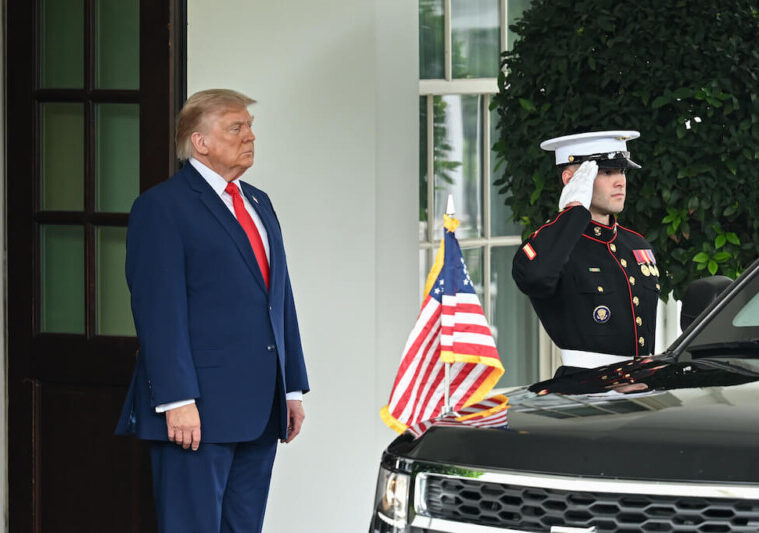
he United States launched a series of strikes against Iranian military targets on Tuesday after President Donald Trump accused Tehran of shooting down a U.S. Apache attack helicopter near the Strait of Hormuz, a dramatic escalation that threatens fragile peace efforts and raises fears of renewed conflict across the Middle East.
The strikes targeted Iranian air defense systems, surveillance radars, and ground control facilities near the strategic waterway, according to the U.S. military, which described the operation as a “proportional response” to recent attacks on American forces and commercial shipping in the region.
The military action marks one of the most significant direct confrontations between Washington and Tehran since a tenuous ceasefire took effect in April, amid ongoing negotiations aimed at ending months of regional warfare.
“I believe the response should be very strong, very powerful, and that’s what this one is,” Trump told ABC News shortly after the operation began.
According to U.S. Central Command, the strikes started at approximately 2100 GMT and concluded several hours later. The military said the targets were selected to degrade Iran’s ability to monitor and challenge military and commercial traffic moving through the Strait of Hormuz, one of the world’s most important energy transit routes.
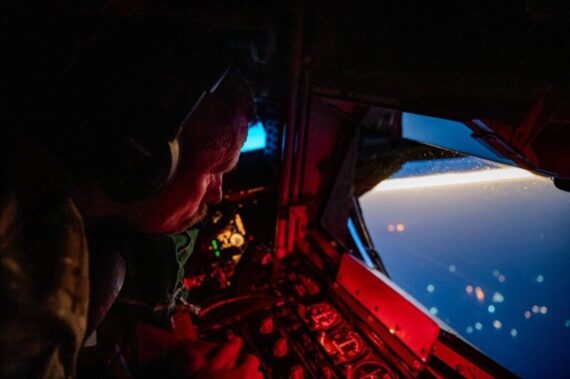
The latest escalation followed the downing of a U.S. Army Apache helicopter during a patrol mission near Oman’s coast early Tuesday.
A U.S. official, speaking on condition of anonymity, said the aircraft was struck by a one-way Iranian attack drone. The helicopter subsequently went down in waters near Oman, prompting a rescue operation involving a U.S. Navy surface drone.
The two crew members aboard the helicopter were recovered after approximately two hours and were reported to be in stable condition.
Trump sought to downplay the incident during an interview with The Wall Street Journal, saying the crash “wasn’t a big deal” and emphasizing that the pilots survived unharmed.
“The pilot is fine,” Trump said.
Nevertheless, the administration moved quickly to authorize military action, arguing that failure to respond could encourage further attacks on U.S. personnel and regional shipping.
Iranian officials denied responsibility for any offensive military operations in the Strait of Hormuz during the previous 24 hours. State media cited military sources who rejected allegations that Iranian forces had targeted the American helicopter.
Iranian media reported explosions on Qeshm Island and in the port city of Sirik, both located near the Strait of Hormuz. Residents also reported hearing blasts in Bandar Abbas and near Jask, close to the entrance of the strategic waterway.
The attacks appeared aimed at military infrastructure associated with Iran’s coastal defense network.
Iran’s Foreign Minister Abbas Araqchi condemned the U.S. operation and warned that Tehran would respond to any attack.
“Iran will leave no attack or threat unanswered,” Araqchi wrote on social media.
In an earlier statement, he warned that foreign military forces operating in the region risk becoming involved in accidents or crossfire, adding that the best way to reduce risks would be for outside powers to withdraw from the area.
The latest exchange has further strained already fragile diplomatic efforts aimed at reaching a comprehensive agreement between Washington and Tehran.
Trump has repeatedly insisted that a peace deal remains within reach and has argued that negotiations are progressing despite frequent military incidents. However, analysts warn that direct military clashes could undermine trust and complicate efforts to secure a lasting settlement.
Shortly after the U.S. strikes, Iranian media reported retaliatory attacks against American military assets in the Gulf.
According to reports citing Iran’s Khatam al-Anbiya military command, some U.S. bases in the region were targeted in response to the American operation.
Iran’s Islamic Revolutionary Guard Corps also claimed responsibility for a drone attack against the U.S. Fifth Fleet headquarters in Bahrain, warning that additional attacks could follow if hostilities continued.
Bahraini authorities activated warning sirens and urged residents to seek shelter. A media adviser to Bahrain’s king later said the country’s air defenses had successfully intercepted incoming threats.
The Pentagon did not immediately comment on the Iranian claims, and independent verification of battlefield reports remained difficult.
The exchange has heightened concerns that the conflict could spread further across the Gulf, drawing in regional states that host U.S. military facilities.
Recommended
Global energy markets responded cautiously to the renewed tensions.
Oil prices rose about 1 percent during early Asian trading on Wednesday, reflecting investor concerns about the security of the Strait of Hormuz.
The narrow waterway connects the Persian Gulf to international markets and traditionally handles roughly one-fifth of global crude oil and liquefied natural gas shipments.
Since the outbreak of conflict earlier this year, shipping through the strait has been severely disrupted. Iran has continued to restrict most maritime traffic, while Washington has imposed measures targeting Iranian ports and shipping infrastructure.
U.S. Energy Secretary Chris Wright said vessel traffic through the strait had begun recovering but warned that a return to normal operations would likely take many months even if hostilities ended soon.
(Source: Reuters)

Politics Today is dedicated to publishing insightful analyses in order to understand the changing nature of contemporary politics. It aims to contribute to the sound and constructive discussion of international affairs.
You can see how this popup was set up in our step-by-step guide: https://wppopupmaker.com/guides/auto-opening-announcement-popups/

Stay informed by subscribing to
our weekly newsletter.
You can see how this popup was set up in our step-by-step guide: https://wppopupmaker.com/guides/auto-opening-announcement-popups/
You can see how this popup was set up in our step-by-step guide: https://wppopupmaker.com/guides/auto-opening-announcement-popups/
You can see how this popup was set up in our step-by-step guide: https://wppopupmaker.com/guides/auto-opening-announcement-popups/
You can see how this popup was set up in our step-by-step guide: https://wppopupmaker.com/guides/auto-opening-announcement-popups/