US, Israel Launch Major Strikes on Iran
The United States and Israel have launched coordinated military strikes on Iran, marking a dramatic escalation in regional tensions and triggering retaliatory missile and drone attacks from Tehran.
February 28, 2026
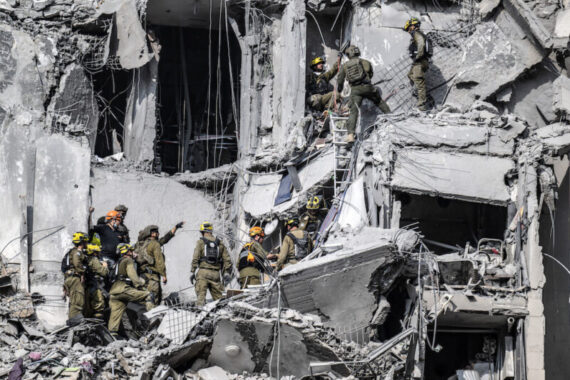
T
he United States and Israel have launched coordinated military strikes on Iran, marking a dramatic escalation in regional tensions and triggering retaliatory missile and drone attacks from Tehran.
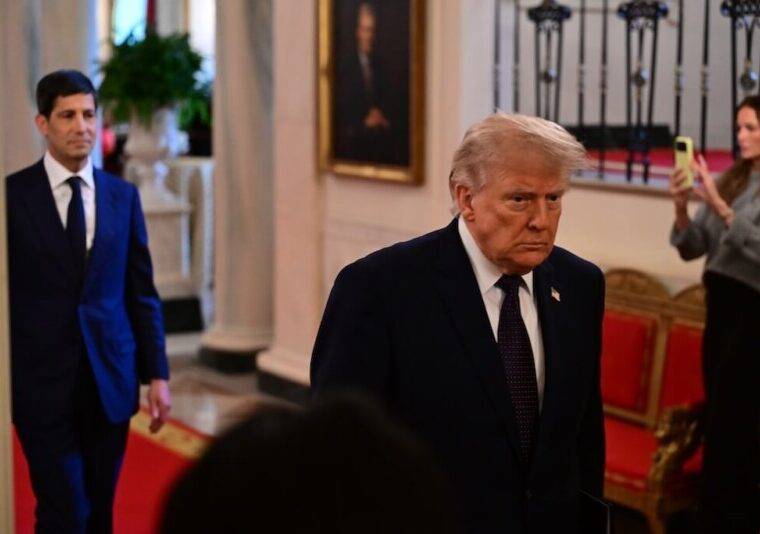
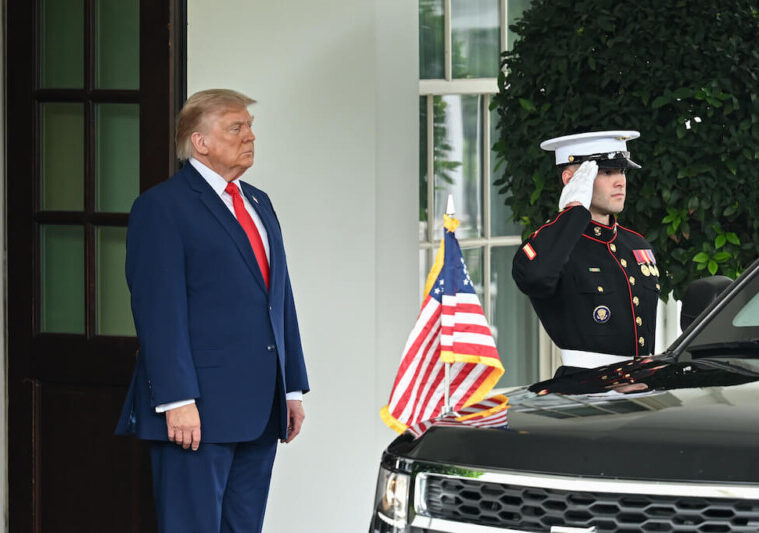
US President Donald Trump announced that American forces had begun “major combat operations” aimed at eliminating what he described as imminent threats from the Iranian government. Israeli Prime Minister Benjamin Netanyahu said the campaign was intended to remove an “existential threat” to Israel’s security.
Explosions were reported in the Iranian capital, Tehran, with local media saying missiles struck areas near key government and military facilities. Among the reported targets were the Ministry of Intelligence, the Ministry of Defense, the Atomic Energy Organization of Iran, and the Parchin military complex.
Blasts were also reported in other cities, including Isfahan, Tabriz, Kermanshah, Lorestan and Karaj. Iranian authorities closed the country’s airspace and placed hospitals on alert. Internet monitoring groups reported a sharp drop in national connectivity, suggesting widespread disruptions.
Iranian state media said President Masoud Pezeshkian was unharmed. There was no immediate official statement from Supreme Leader Ayatollah Ali Khamenei.
Iran’s Islamic Revolutionary Guard Corps (IRGC) confirmed it had launched a “large-scale wave” of missiles and drones towards Israel in response to the joint US-Israeli attacks. Sirens sounded across Israel as air defense systems intercepted incoming projectiles.
A senior Iranian official warned that all US and Israeli assets in the region were now considered “legitimate targets,” adding that there would be “no red lines” following what Tehran described as aggression.
Israel declared a nationwide state of emergency, closed its airspace and instructed civilians to remain close to shelters. Explosions were heard in northern parts of the country as interception systems were activated.
The Israeli military said additional barrages of missiles were launched from Iran, and warned that defense systems were not “hermetic,” urging the public to follow Home Front Command instructions.
Recommended
The escalation has rippled across the Middle East. Iraq shut down its airspace, and several international airlines suspended flights to and from key regional hubs, including Tel Aviv, Dubai and Beirut. US embassies in Qatar and Bahrain issued shelter-in-place advisories for personnel and citizens.
In Lebanon, concerns mounted that the country could be drawn into the conflict, particularly if Hezbollah — Iran’s key regional ally — becomes directly involved.
The strikes come days after indirect negotiations between Washington and Tehran over Iran’s nuclear program reportedly showed tentative progress. Analysts suggest the latest military action could derail diplomatic efforts and risk a broader regional war.
US officials have described the operation as focused on dismantling Iran’s security apparatus. However, some analysts warn that targeting senior leadership could deepen the conflict and provoke sustained retaliation against US forces and allies in the region.
It remains unclear how long the US operation will last. A US official told Reuters the campaign could extend over multiple days.
With airspace closures, missile exchanges and threats of further escalation, the situation remains fluid. Regional governments are urging caution, but both Washington and Tehran have signaled that the confrontation may not end quickly.
As missile sirens continue to sound and explosions echo across cities in Iran and Israel, fears are growing that the latest exchange could expand into a wider Middle East conflict.
(Source: Aljazeera)

Politics Today is dedicated to publishing insightful analyses in order to understand the changing nature of contemporary politics. It aims to contribute to the sound and constructive discussion of international affairs.
You can see how this popup was set up in our step-by-step guide: https://wppopupmaker.com/guides/auto-opening-announcement-popups/

Stay informed by subscribing to
our weekly newsletter.
You can see how this popup was set up in our step-by-step guide: https://wppopupmaker.com/guides/auto-opening-announcement-popups/
You can see how this popup was set up in our step-by-step guide: https://wppopupmaker.com/guides/auto-opening-announcement-popups/
You can see how this popup was set up in our step-by-step guide: https://wppopupmaker.com/guides/auto-opening-announcement-popups/
You can see how this popup was set up in our step-by-step guide: https://wppopupmaker.com/guides/auto-opening-announcement-popups/