Drones Hit UAE and Saudi Arabia as Iran War Stalemate Deepens
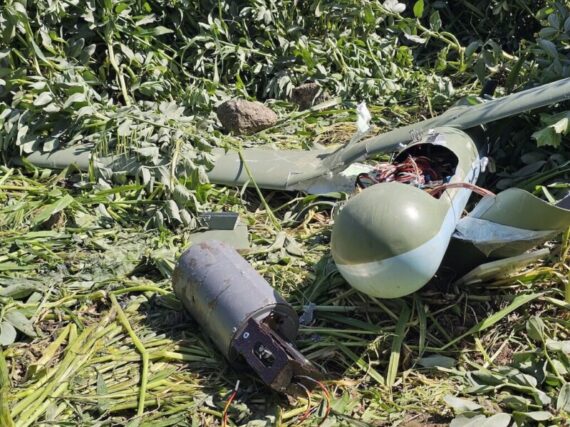
Saudi Arabia and the UAE announced that its air defenses intercepted drones entering their airspace.
May 18, 2026
U
nited Arab Emirates and Saudi Arabia reported new drone-related security incidents on Sunday, highlighting rising regional tensions as diplomatic efforts to end the war involving Iran remain deadlocked.
Emirati officials said a drone strike caused a fire at the Barakah Nuclear Power Plant, while Saudi Arabia announced it had intercepted three drones entering from Iraqi airspace.
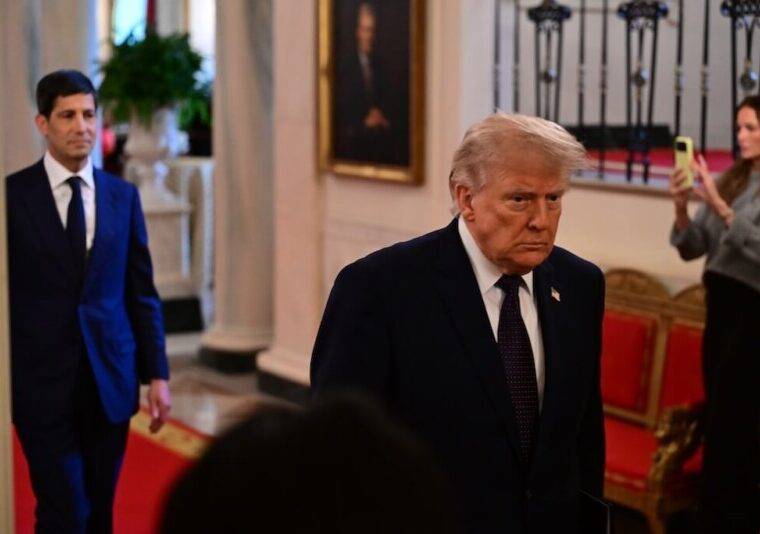
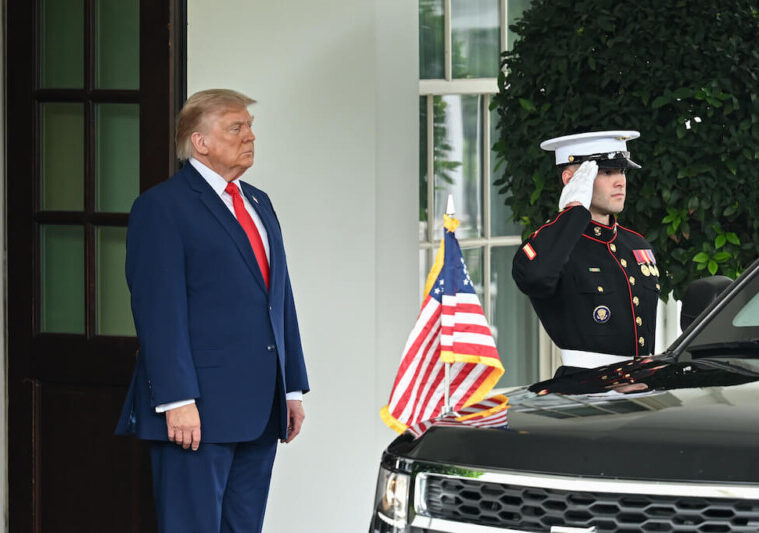
The incidents came as U.S. President Donald Trump intensified pressure on Iran, warning that Tehran must move quickly toward a deal with Washington.
“For Iran, the Clock is Ticking,” Trump wrote on Truth Social. “They better get moving, FAST.”
According to Emirati authorities, the drone that penetrated air defenses struck an electrical generator outside the inner perimeter of the Barakah nuclear facility. Officials said there were no injuries and no release of radioactive material.
The UAE defense ministry stated that two additional drones were intercepted successfully after approaching from the country’s “western border,” though officials did not specify who launched them.
The UAE’s Federal Authority for Nuclear Regulation later confirmed that the plant remained safe and fully secure.
The International Atomic Energy Agency said emergency diesel generators were supplying power to one reactor unit and called for “maximum military restraint” around nuclear sites.
Emirati officials condemned the attack as a dangerous escalation and warned the country reserved the right to respond against those responsible, whether directly or through proxy groups.
Saudi Arabia separately announced that its air defenses intercepted three drones entering from Iraqi territory.
Riyadh warned it would take all necessary operational measures to defend its sovereignty and national security.
Since the April ceasefire in the broader Iran conflict, several drones have reportedly been launched from Iraq toward Gulf states, including Saudi Arabia and Kuwait.
The incidents underscore how regional tensions continue despite the reduction in large-scale hostilities after the ceasefire took effect more than five weeks ago.
The United States is demanding that Iran dismantle its nuclear program and loosen its control over the Strait of Hormuz, one of the world’s most critical energy corridors.
Iran, meanwhile, is seeking compensation for war-related damage, an end to the U.S. blockade of Iranian ports and a halt to fighting across multiple fronts, including clashes involving Hezbollah in Lebanon.
Reuters reported that Trump is expected to meet national security advisers this week to discuss possible military options if diplomacy continues to stall.
Iranian military spokesperson Abolfazl Shekarchi warned that any renewed U.S. military action would trigger “new, aggressive, and surprise scenarios.”
Iranian foreign ministry spokesperson Esmaeil Baqaei accused the United States and Israel of destabilizing global energy markets through what he described as “unprovoked military aggression.”
Recommended
The continuing disruption in the Strait of Hormuz has contributed to major instability in global oil markets.
Iran has maintained restrictions on shipping traffic through the waterway since the conflict began following U.S. and Israeli strikes on Iran in February. In response, Washington imposed a blockade on Iranian ports and said it had redirected dozens of commercial vessels to enforce sanctions measures.
Iranian officials said Tehran is preparing a new mechanism to regulate shipping through designated routes in the strait, though details have not yet been released.
Despite ongoing tensions, some diplomatic efforts elsewhere in the region have continued. Israel and Lebanon agreed Friday to extend their ceasefire for another 45 days, although clashes along the border have not fully stopped.
The broader regional conflict has already caused thousands of deaths in Iran and Lebanon and continues to threaten international energy supplies and maritime security across the Gulf.
(Source: Reuters)

Politics Today is dedicated to publishing insightful analyses in order to understand the changing nature of contemporary politics. It aims to contribute to the sound and constructive discussion of international affairs.
You can see how this popup was set up in our step-by-step guide: https://wppopupmaker.com/guides/auto-opening-announcement-popups/

Stay informed by subscribing to
our weekly newsletter.
You can see how this popup was set up in our step-by-step guide: https://wppopupmaker.com/guides/auto-opening-announcement-popups/
You can see how this popup was set up in our step-by-step guide: https://wppopupmaker.com/guides/auto-opening-announcement-popups/
You can see how this popup was set up in our step-by-step guide: https://wppopupmaker.com/guides/auto-opening-announcement-popups/
You can see how this popup was set up in our step-by-step guide: https://wppopupmaker.com/guides/auto-opening-announcement-popups/