Iran War Costs $25 Billion, Pentagon Says
The cost of the Iran war is becoming a growing political issue in Washington, particularly with midterm elections approaching.
April 30, 2026

T
he United States has spent an estimated $25 billion on its war in Iran so far, according to a senior Pentagon official, marking the first official public figure for the cost of the conflict.
Jules Hurst, acting comptroller at the Pentagon, disclosed the figure during testimony before the House Armed Services Committee. He noted that the majority of the spending has gone toward munitions but did not provide a detailed breakdown or clarify whether the estimate includes long-term costs such as rebuilding damaged military infrastructure in the Middle East.
The figure drew a response from Democratic Representative Adam Smith, who said lawmakers had long been seeking clarity on the war’s financial toll. The $25 billion total is roughly equivalent to the annual budget of NASA.
The cost of the war is becoming a growing political issue in Washington, particularly with midterm elections approaching. Democrats are attempting to tie the conflict to rising living costs, as disruptions to global oil and gas supplies have driven up fuel prices and contributed to broader inflation.
U.S. gasoline prices have reached their highest level in nearly four years, according to industry data, adding to voter frustration over affordability.
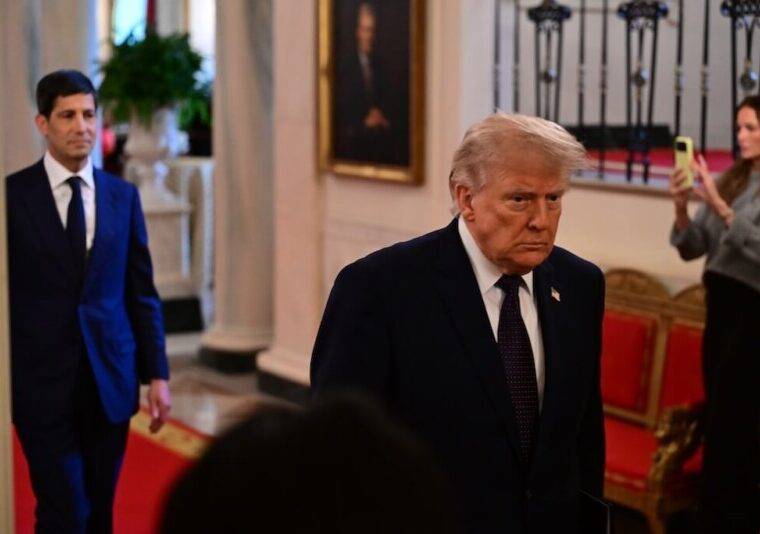
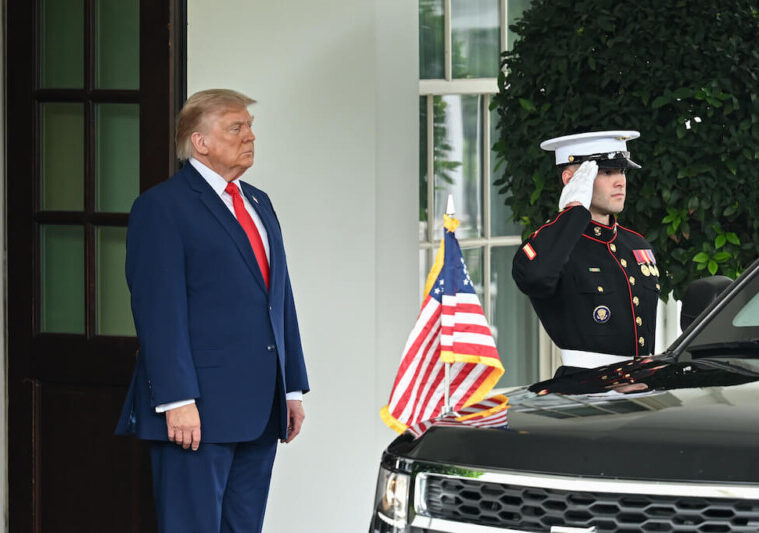
President Donald Trump’s approval ratings have also declined amid the conflict. A recent Reuters/Ipsos poll shows only 34% of Americans support the war, a drop from 38% in March.
Recommended
Defense Secretary Pete Hegseth defended the war effort, arguing that the spending is justified to prevent Iran from acquiring nuclear weapons.
“What would you pay to ensure Iran does not get a nuclear bomb?” he told lawmakers, dismissing criticism from Democrats as defeatist.
The conflict began on February 28 with U.S. strikes on Iran. Although a fragile ceasefire is currently in place, the Pentagon has significantly increased its military presence in the region, including deploying three aircraft carriers.
So far, 13 U.S. troops have been killed and hundreds wounded in the fighting.
(Source: Reuters)

Politics Today is dedicated to publishing insightful analyses in order to understand the changing nature of contemporary politics. It aims to contribute to the sound and constructive discussion of international affairs.
You can see how this popup was set up in our step-by-step guide: https://wppopupmaker.com/guides/auto-opening-announcement-popups/

Stay informed by subscribing to
our weekly newsletter.
You can see how this popup was set up in our step-by-step guide: https://wppopupmaker.com/guides/auto-opening-announcement-popups/
You can see how this popup was set up in our step-by-step guide: https://wppopupmaker.com/guides/auto-opening-announcement-popups/
You can see how this popup was set up in our step-by-step guide: https://wppopupmaker.com/guides/auto-opening-announcement-popups/
You can see how this popup was set up in our step-by-step guide: https://wppopupmaker.com/guides/auto-opening-announcement-popups/