World Welcomes Ceasefire Between Washington and Tehran
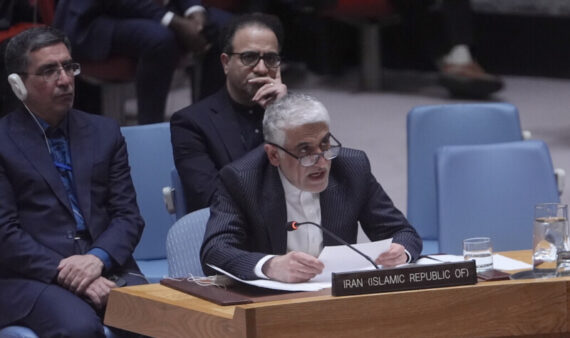
The US-Israel-Iran ceasefire includes an immediate halt to hostilities across multiple fronts, including Lebanon and other areas affected by the broader war, according to Tehran.
April 8, 2026
I
n a dramatic shift in Middle East politics, tensions between the United States and Iran have eased following the announcement of a two-week ceasefire, described by observers as a potential “last chance” to prevent a wider regional war.
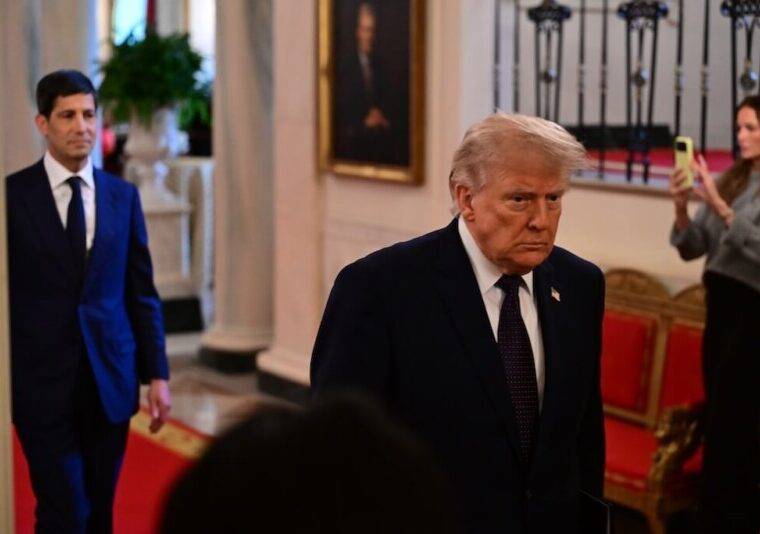
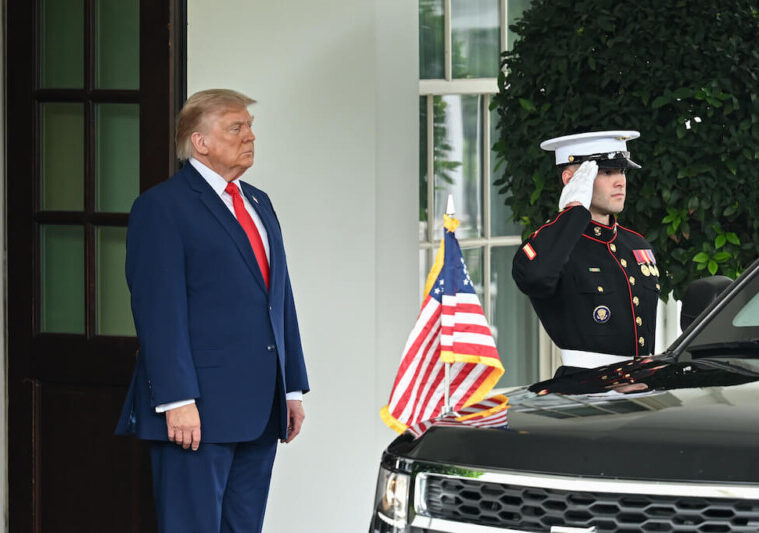
The breakthrough came after Donald Trump confirmed that Washington had agreed to halt military operations against Iran for two weeks, citing a 10-point proposal from Tehran as a “workable basis for negotiations.” The announcement was made just hours before a deadline previously set by the U.S. administration.
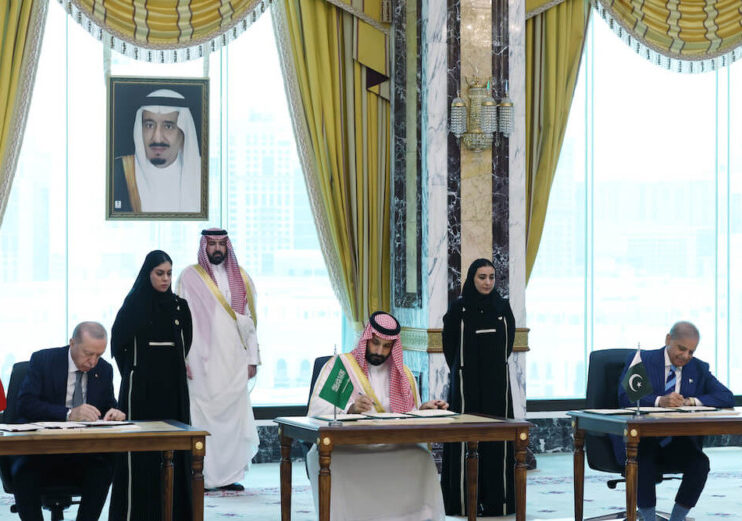
The ceasefire, facilitated through mediation by Pakistan, includes an immediate halt to hostilities across multiple fronts, including Lebanon and other areas affected by the broader war. Pakistani officials have invited delegations from both sides to meet in Islamabad on Friday for continued negotiations, marking what could be the first face-to-face talks since the war began.
Trump stated that “significant progress” had been made toward a long-term agreement, adding that the temporary pause in military action would provide the necessary space to finalize a comprehensive deal.
The agreement has been met with broad international approval, with countries across Asia and beyond urging both sides to use the opportunity to pursue lasting peace.
Indonesia called on all parties to respect sovereignty and prioritize diplomacy, as Australia welcomed the ceasefire as a step toward ending the war. Australian Prime Minister Anthony Albanese said his country is working with international partners to support diplomatic efforts and reopen the strategically vital Strait of Hormuz.
Similarly, Japan emphasized continued diplomatic engagement, particularly regarding the safe reopening of the strait, a critical global energy route. Malaysia also expressed support, with Prime Minister Anwar Ibrahim calling for the Iranian proposal to evolve into a comprehensive peace agreement benefiting not only Iran but also Iraq, Lebanon, and Yemen.
The United Nations welcomed the ceasefire, with Secretary-General António Guterres urging all parties to commit to international law and work toward a sustainable resolution. His spokesperson stressed the importance of adhering to the ceasefire terms as a pathway to comprehensive peace in the region.
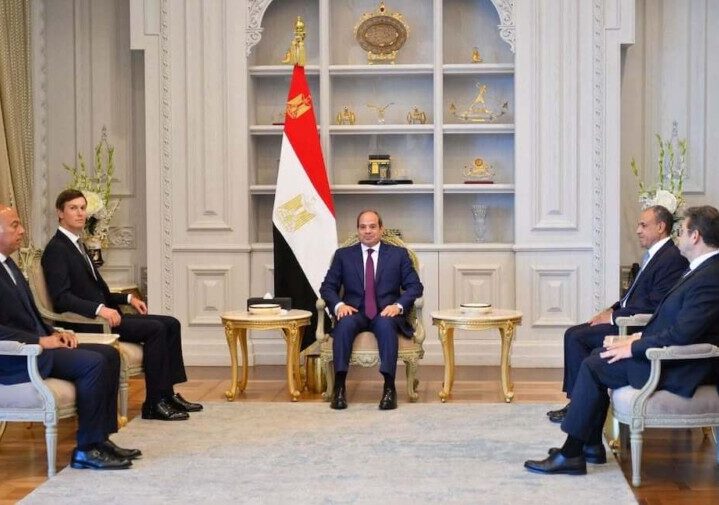
Regional powers also reacted positively. Egypt described the move as a significant step toward de-escalation and stability, highlighting its importance for global security and international navigation. Egyptian Foreign Minister Badr Abdelatty reportedly discussed the development with U.S. Middle East envoy Steve Witkoff, expressing strong support for renewed diplomatic efforts.
Meanwhile, Iraq’s Foreign Ministry called for a “serious and sustained dialogue” between Washington and Tehran to address the root causes of their tensions and build mutual trust.
Recommended
According to U.S. officials cited by American media, the ceasefire is expected to take effect once Iran reopens the Strait of Hormuz, a critical chokepoint for global oil shipments. Sources indicate that the upcoming talks in Pakistan could mark a turning point, as they would be the first direct negotiations between the two sides since the outbreak of war.
However, some uncertainty remains. Reports suggest discrepancies between the Persian and English versions of Iran’s ceasefire proposal, particularly regarding uranium enrichment—an issue likely to remain central in upcoming negotiations.
While the agreement has sparked optimism worldwide, analysts caution that the two-week ceasefire represents only a narrow window for diplomacy. Whether it leads to a lasting peace or merely a pause in hostilities will depend on the willingness of both sides to compromise on long-standing disputes.
For now, the deal offers a rare moment of hope in a region long marked by instability, with global leaders urging both Washington and Tehran to seize what may be their final opportunity to avoid a broader war.
(Source: News Agencies)

Politics Today is dedicated to publishing insightful analyses in order to understand the changing nature of contemporary politics. It aims to contribute to the sound and constructive discussion of international affairs.
You can see how this popup was set up in our step-by-step guide: https://wppopupmaker.com/guides/auto-opening-announcement-popups/

Stay informed by subscribing to
our weekly newsletter.
You can see how this popup was set up in our step-by-step guide: https://wppopupmaker.com/guides/auto-opening-announcement-popups/
You can see how this popup was set up in our step-by-step guide: https://wppopupmaker.com/guides/auto-opening-announcement-popups/
You can see how this popup was set up in our step-by-step guide: https://wppopupmaker.com/guides/auto-opening-announcement-popups/
You can see how this popup was set up in our step-by-step guide: https://wppopupmaker.com/guides/auto-opening-announcement-popups/