A Look at Trump’s Proposed Board of Peace and Who Has Been Invited

January 21, 2026

Trump sharply criticized the United Nations, saying it “has never lived up to its potential” and suggesting the Board of Peace “might” replace it, though he added that the U.N. should continue to exist.
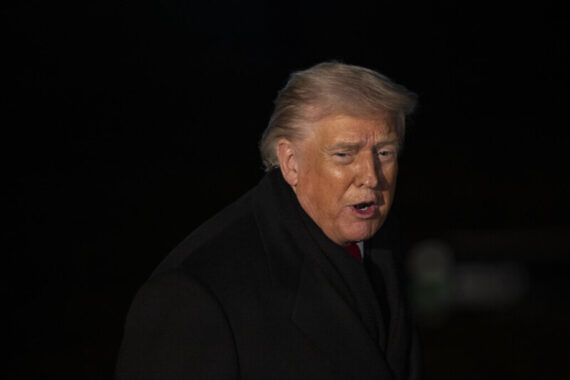
United States President Donald Trump speaks to the press before he departs the White House en route to Davos, Switzerland, to attend the World Economic Forum (WEF), on January 20, 2026, in Washington DC, United States. Photo by Anadolu Images.

A

merican President Donald Trump is moving forward with plans to establish a new international body known as the “Board of Peace,” an initiative that began as a mechanism to oversee the Gaza ceasefire but has since expanded into a far broader concept with global ambitions.

The Trump administration now envisions the board as a wide-ranging peace-building forum that could broker conflicts beyond Gaza and potentially rival the United Nations, particularly the U.N. Security Council. More details are expected Thursday, when Trump is scheduled to discuss the initiative at the World Economic Forum in Davos, Switzerland.

Speaking at the White House on Tuesday, Trump sharply criticized the United Nations, saying it “has never lived up to its potential” and suggesting the Board of Peace “might” replace it, though he added that the U.N. should continue to exist.

Broad mandate, centralized authority

While the board’s charter has not yet been publicly released, a draft obtained by The Associated Press indicates that significant authority would be concentrated in the hands of the chairman — a role Trump has said he will hold. Under the draft, the chairman would have the power to invite members, break tie votes, determine meeting schedules, and create or dissolve subsidiary bodies.

The document describes the board as a “more nimble and effective international peace-building body,” arguing that existing institutions have too often failed to deliver lasting peace. Funding would come from member-state contributions, with three-year terms for members. Countries contributing more than $1 billion in cash during their first year would be eligible for permanent membership.

U.S. officials stressed that the draft remains under revision and could change significantly before being shown publicly.

Countries invited and responses so far

According to U.S. and diplomatic sources, several countries have already agreed to participate, including the United Arab Emirates, Morocco, Vietnam, Kazakhstan, Hungary, Argentina and Belarus.

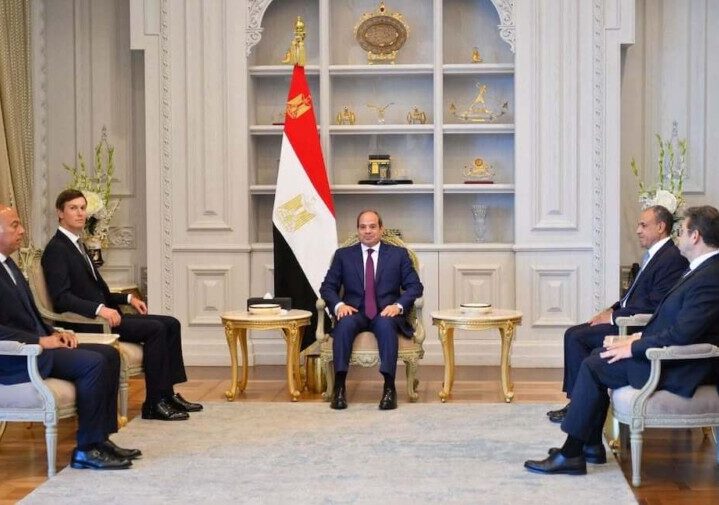
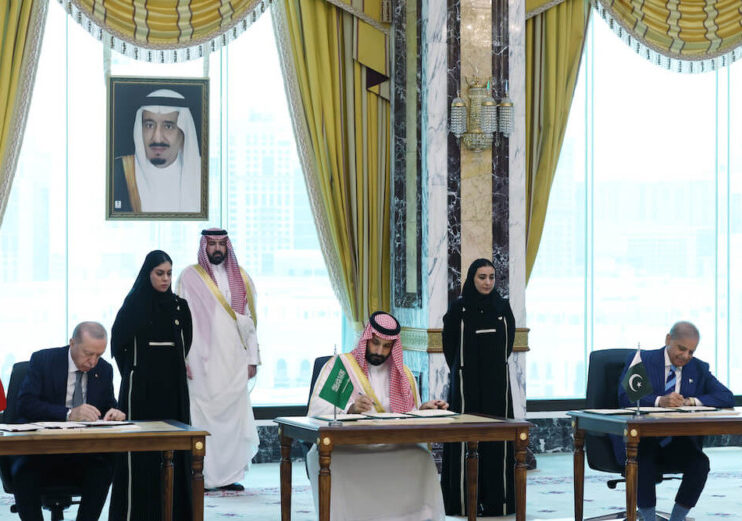
Invitation letters have also been sent to leaders including Canadian Prime Minister Mark Carney, Egyptian President Abdel-Fattah el-Sissi, Turkish President Recep Tayyip Erdoğan and Paraguayan President Santiago Peña. Russia, Israel, India, Slovenia, Thailand and the European Union’s executive arm have confirmed receiving invitations.

The Kremlin said it is reviewing the proposal, with spokesman Dmitry Peskov stating that Moscow seeks clarification on “all the nuances.” Trump confirmed that Russian President Vladimir Putin has been invited.

Israel has also been asked to join, though it remains unclear whether Prime Minister Benjamin Netanyahu will accept. Israeli officials have voiced concerns about the board’s composition, particularly Türkiye’s inclusion, which they say was not coordinated with Israel.

France has already declined to participate. French Foreign Minister Jean-Noel Barrot said Paris supports implementing the Gaza peace plan but opposes creating a new organization that could replace the United Nations.


Additional boards and Gaza implementation

The White House announced that an executive board will support the Board of Peace’s broader vision. Its members include U.S. Secretary of State Marco Rubio, Trump envoy Steve Witkoff, Jared Kushner, former British Prime Minister Tony Blair, Apollo Global Management CEO Marc Rowan, World Bank President Ajay Banga and Deputy National Security Adviser Robert Gabriel.

A separate Gaza Executive Board will oversee implementation of the second phase of the Gaza ceasefire, including deploying an international security force, disarming Hamas and rebuilding the territory. Former U.N. Middle East envoy Nickolay Mladenov is expected to manage day-to-day operations, alongside representatives from the U.S., Türkiye, Qatar, Egypt, the UAE, Israel and Europe.

The Gaza Executive Board will also supervise a committee of Palestinian technocrats tasked with managing Gaza’s daily civil affairs.

As invitations continue and details remain fluid, the Board of Peace is shaping up as one of the most ambitious foreign policy initiatives of Trump’s presidency.

(Source: The Associated Press)

Politics Today is dedicated to publishing insightful analyses in order to understand the changing nature of contemporary politics. It aims to contribute to the sound and constructive discussion of international affairs.