Strait of Hormuz: Which Ships Can Sail?
Foreign Minister Jaishankar said two Indian-flagged gas tankers were able to pass safely through the Hormuz strait following diplomatic engagement.
March 16, 2026
C
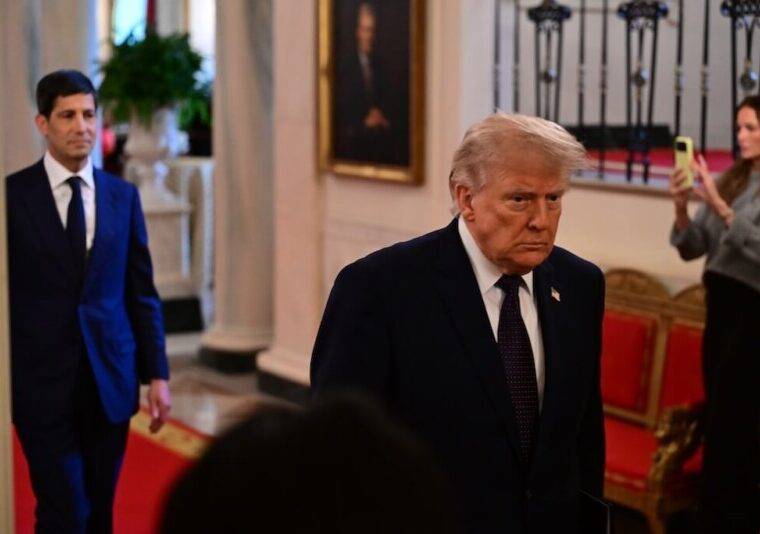
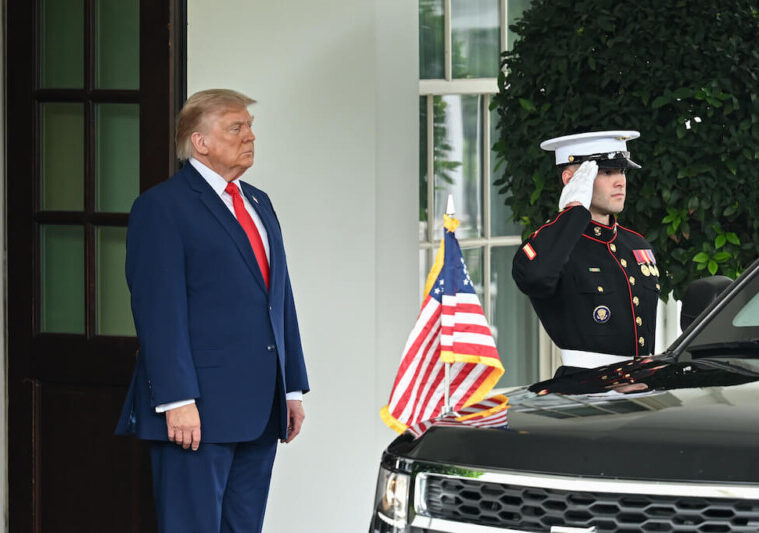
alls by Donald Trump for allied nations to send warships to escort vessels through the Strait of Hormuz have received a cautious and largely muted response, as tensions continue to escalate during the U.S.–Israel war on Iran and global oil markets remain on edge.
In a post on his Truth Social platform on Sunday, the U.S. president urged major energy-importing nations to join a naval effort to secure the strategic waterway.
“Hopefully China, France, Japan, South Korea, the U.K., and others, that are affected by this artificial constraint will send ships to the area so that the Hormuz Strait will no longer be a threat by a nation that has been totally decapitated,” Trump wrote.
The call comes as Iran’s military has effectively blocked the vital shipping route in retaliation for U.S. and Israeli strikes on Iranian territory.
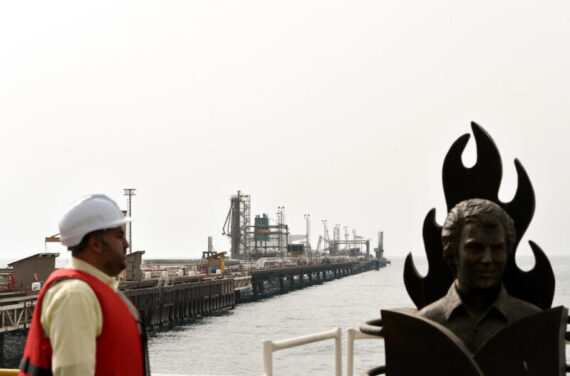
The Strait of Hormuz, located between Iran and Oman, is one of the world’s most important energy chokepoints. Roughly one-fifth of global oil exports normally pass through the narrow waterway linking the Persian Gulf to international markets.
However, despite Washington’s appeal, there have been no immediate commitments from the countries Trump mentioned.
Officials from several countries signaled a preference for diplomatic engagement rather than direct military involvement.
A spokesperson for China’s embassy in Washington, Liu Pengyu, said that “all parties have the responsibility to ensure stable and unimpeded energy supply,” adding that Beijing would “strengthen communication with relevant parties” in an effort to de-escalate the crisis.
Meanwhile, Chris Wright, the U.S. secretary of energy, told NBC that the administration had been in discussions with some of the countries mentioned by Trump and expressed hope that China could play a “constructive role” in restoring maritime traffic.
But analysts remain skeptical that Beijing would send naval forces to join a U.S.-led coalition.
Barbara Slavin, a distinguished fellow at the Stimson Center, said China has little incentive to participate militarily.
“I don’t think China’s going to send warships to reopen the Strait of Hormuz,” Slavin told Al Jazeera. “But it doesn’t need to, because Iranian oil is flowing to China quite nicely.”
She added that Iran appears to be targeting shipments linked to the United States and its allies, rather than imposing a total blockade on global traffic.
The standoff has already had major implications for global shipping and energy markets.
According to data from the U.K. Maritime Trade Operations and the International Maritime Organization, at least 10 oil tankers have been hit, targeted, or reported attacks since Israel and the US started the war on February 28.
The disruptions have left around 1,000 tankers stranded, unable to pass through the strait.
Global crude prices have surged, hovering around $100 per barrel, raising concerns about wider economic repercussions.
Iran says the waterway remains open to most countries but has restricted passage for vessels linked to the United States and its allies.
Iranian Foreign Minister Abbas Araghchi said several countries had approached Tehran seeking safe passage.
“We have been approached by a number of countries, and this is up to our military to decide,” Araghchi told CBS News.
Some countries have opted for direct negotiations with Tehran instead of joining a military escort mission.
India’s foreign minister, Subrahmanyam Jaishankar, said discussions with Iranian officials had already produced results.
Speaking to the Financial Times, Jaishankar said two Indian-flagged gas tankers were able to pass safely through the strait following diplomatic engagement.
“I am at the moment engaged in talking to them, and my talking has yielded some results,” he said. “Certainly, from India’s perspective, it is better that we reason and coordinate to get a solution.”
European leaders have also shown reluctance to join any military coalition.
British Prime Minister Keir Starmer discussed the situation with Trump and emphasized the need to restore global shipping, but London has not announced plans to deploy additional naval forces.
Germany’s foreign minister Johann Wadephul was more openly skeptical about participating.
“Will we soon be an active part of this conflict? No,” Wadephul told ARD television.
France has previously floated the idea of an international escort mission but indicated that such a plan could only move forward once fighting subsides.
Recommended
Iranian officials, meanwhile, dismissed Trump’s claims that Iran’s naval capabilities had been destroyed during the war.
Ali Mohammad Naini, a spokesman for the Islamic Revolutionary Guard Corps, directly challenged the U.S. president.
“Didn’t Trump say that Iran’s navy has been destroyed?” Naini said, according to the semi-official Tasnim news agency. “If so, let him send his ships into the Persian Gulf if he dares.”
With shipping disruptions mounting and energy markets on edge, the situation around the Strait of Hormuz remains volatile, while governments weigh the risks of deeper military involvement against the need to protect global oil supplies.
(Source: Aljazeera)

Politics Today is dedicated to publishing insightful analyses in order to understand the changing nature of contemporary politics. It aims to contribute to the sound and constructive discussion of international affairs.
You can see how this popup was set up in our step-by-step guide: https://wppopupmaker.com/guides/auto-opening-announcement-popups/

Stay informed by subscribing to
our weekly newsletter.
You can see how this popup was set up in our step-by-step guide: https://wppopupmaker.com/guides/auto-opening-announcement-popups/
You can see how this popup was set up in our step-by-step guide: https://wppopupmaker.com/guides/auto-opening-announcement-popups/
You can see how this popup was set up in our step-by-step guide: https://wppopupmaker.com/guides/auto-opening-announcement-popups/
You can see how this popup was set up in our step-by-step guide: https://wppopupmaker.com/guides/auto-opening-announcement-popups/